
Kennel vs. In-Home Boarding: Which is Right for Your Dog?
7 min read
Planning a trip is exciting, but for pet parents, it often comes with a nagging question: Where will my dog stay?
For years, traditional kennels were the only option. But today, boutique in-home boarding has emerged as a popular alternative, offering a more personalized, home-like experience. So, how do you decide which is right for your furry friend?
In this guide, we’ll break down the key differences between traditional kennels and in-home boarding to help you make an informed choice.
1. The Environment: Facility vs. Home
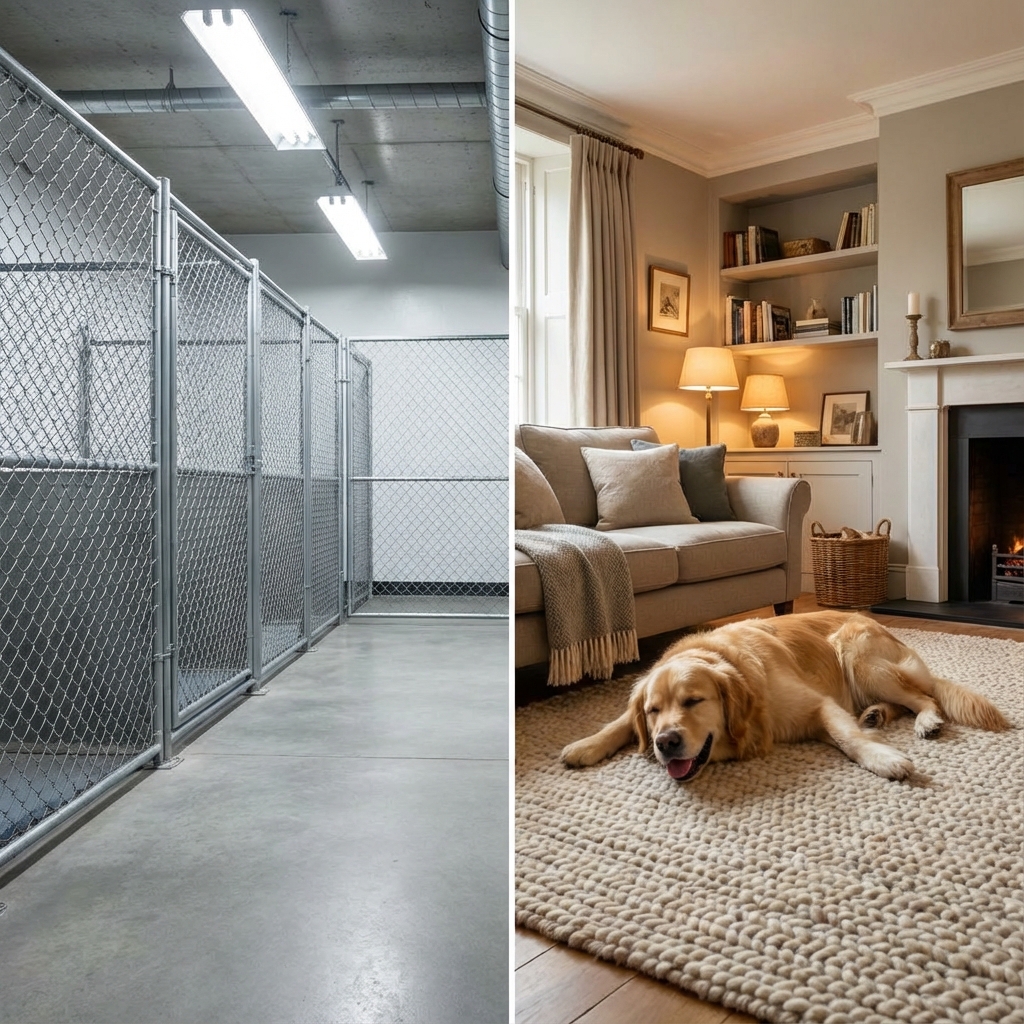
Traditional Kennels: Kennels are commercial facilities designed to house many dogs at once. They typically feature rows of runs or cages, concrete floors for easy cleaning, and separate play areas. While reputable kennels are safe and secure, the environment can be loud, industrial, and overwhelming for some dogs.
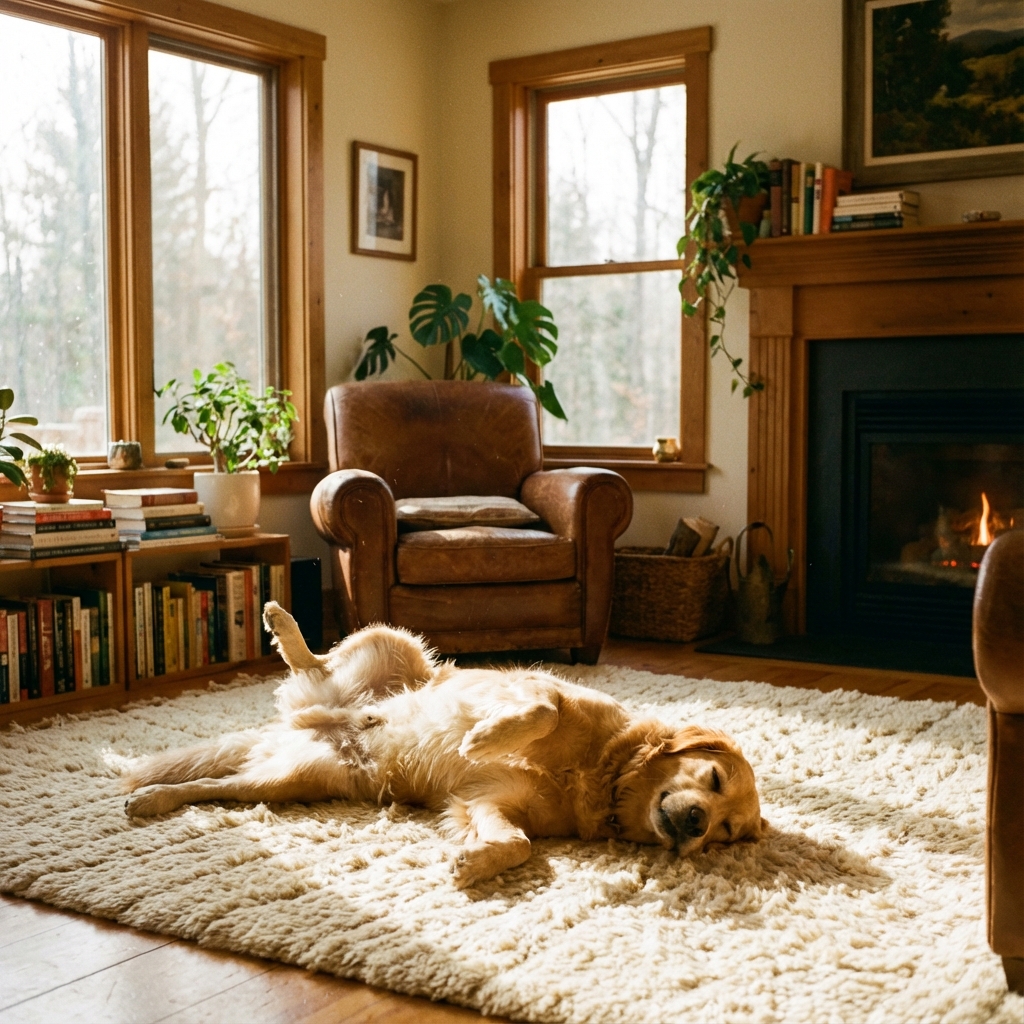
In-Home Boarding: In-home boarding takes place in a real home. Your dog sleeps in a living room or bedroom, has access to a backyard, and enjoys the comforts of a household environment.
- Pros: Quieter, smells like home, softer surfaces (couches, rugs), and less sensory overload.
- Worth comparing if: you want a quieter, home-like setting — though the right fit always depends on your individual dog. Ruh-Roh Retreat lets you compare each sitter's Home Environment to judge the fit.
2. Attention & Care Ratios
Traditional Kennels: Staff-to-dog ratios in kennels vary widely by facility, so it's worth asking each one directly. Because staff at larger facilities often care for many dogs at once, ask how they build in individual attention.
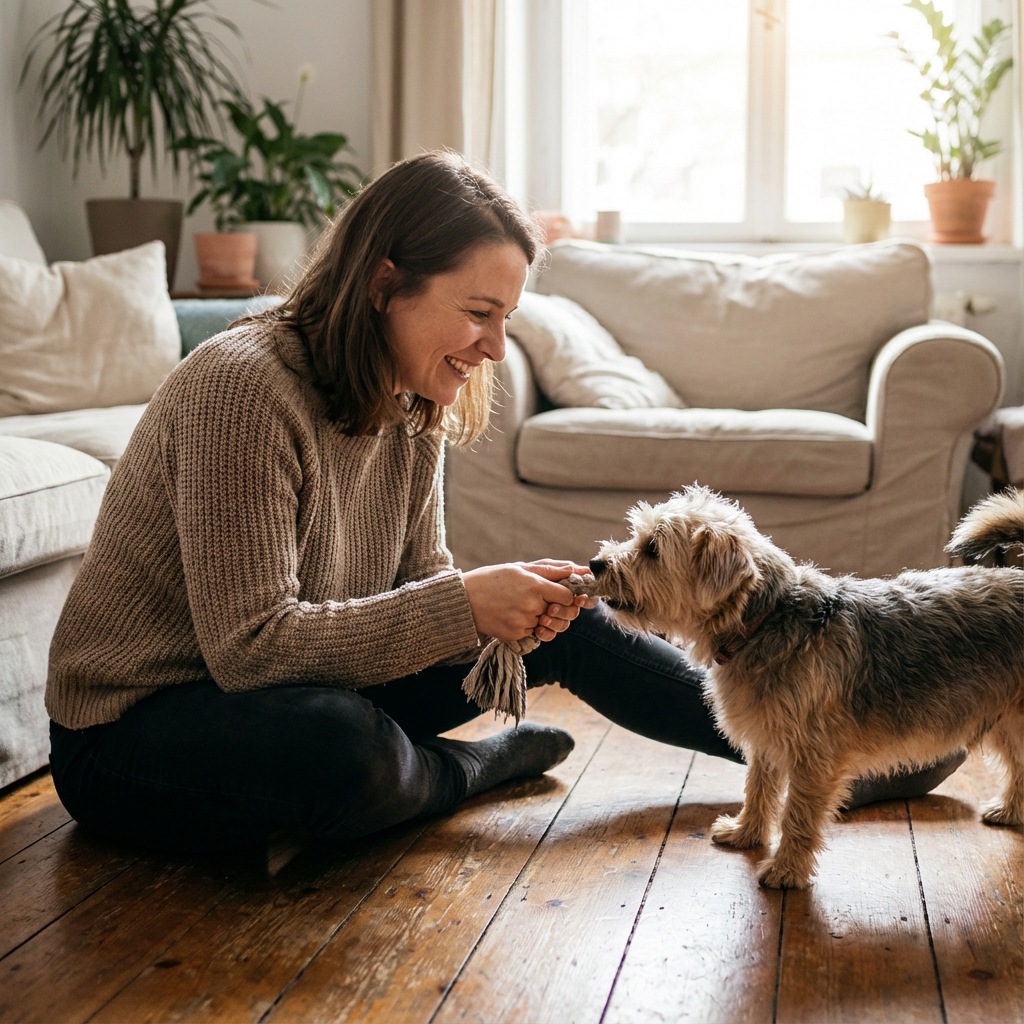
In-Home Boarding: Boutique sitters typically take a small number of dogs at a time — often far fewer than a commercial facility. This allows for:
- Personalized attention: Your dog gets dedicated cuddle time, play sessions, and observation.
- Customized routines: Sitters can easily stick to your specific feeding and walking schedule.
- Close supervision: Your dog isn't just checked on; in many cases, they're lived with.
3. Stress Levels & Anxiety

Traditional Kennels: Some dogs find busy, unfamiliar settings stressful — new sounds, smells, and routines take some adjustment — while others settle in fine. If your dog is sensitive to noise or change, ask any provider how they help dogs rest and decompress overnight.
In-Home Boarding: A home environment tends to reduce cortisol levels for many dogs. If your dog already shows signs of tension around unfamiliar people or places, you may want to read more about recognizing separation anxiety before choosing a boarding option.
- Familiarity: Being in a house feels natural to a pet dog.
- Calmness: A quieter setting can help some dogs rest and decompress more easily.
- Nighttime Comfort: Knowing a human is sleeping down the hall (or in the same room) provides immense comfort.
4. Health & Safety
Traditional Kennels: Any setting that hosts several dogs together carries some risk of illness spreading, so ask about vaccination and sanitation protocols. Flooring and surfaces vary by facility — worth checking if your dog has joint or mobility needs.
In-Home Boarding: In smaller groups than commercial boarding facilities, there can be less exposure to contagious illness, though this varies by setup. Plus, a sitter who is with the dogs 24/7 is more likely to notice subtle changes in health or behavior immediately. Many in-home sitters prioritize a calm, clean environment that supports physical and mental well-being.
5. Cost: Breaking Down What You're Paying For
Price is often the deciding factor, but the comparison is more nuanced than it first appears.
Traditional Kennels: Kennel rates vary widely by facility, room type, and location, so it's best to request a specific quote for the dates you need. What's included in that base rate varies by facility — some bundle in basic walks and feeding, so it's worth asking any facility exactly which services (walks, feeding, extra playtime, medication) are part of the quoted rate.
In-Home Boarding: On Ruh-Roh Retreat, each independent sitter sets their own rate, so pricing varies with the sitter's experience, location, and what they include. Inclusions vary by sitter too — some bundle in daily updates, walks, and overnight presence at no extra charge, while others price certain services separately.
Because what's included varies so much on both sides, it's worth asking any provider — kennel or sitter — exactly what's covered in the quoted rate before you book.
6. Questions to Ask Any Boarding Provider Before You Book
Whether you're evaluating a kennel or an in-home sitter, asking the right questions upfront prevents surprises later.
For kennels:
- What is the dog-to-staff ratio during the day? And overnight?
- Are dogs crated overnight, or do they have free-run access?
- What vaccination requirements do you enforce for all dogs?
- How do you handle a dog who is showing signs of illness?
- Can I tour the facility before booking?
For in-home sitters:
- How many dogs do you take at one time?
- Where do guest dogs sleep — in your room, their own space, or a crate?
- What does a typical day look like?
- How often and through what channel will I receive updates?
- Have you cared for dogs with similar needs to mine (senior, anxious, medicated, etc.)?
- Can we schedule a meet-and-greet before committing to a full stay?
A provider who welcomes these questions — and answers them specifically rather than generically — is the kind of person you want caring for your dog.
The Verdict: Which Should You Choose?
Choose a Traditional Kennel if:
- You have a very tight budget and the kennel you're considering has strong reviews and transparent practices.
- You've toured a specific, well-reviewed facility and its setup genuinely suits what your individual dog needs.
- Your dog has specific management needs that a particular home may not accommodate — worth discussing directly with any sitter, since setups vary.
Choose In-Home Boarding if:
- Your dog is a beloved family member who is used to sleeping indoors.
- You want a quieter, more personalized setting and want to compare how each sitter's home and routine would suit your dog — for example, why senior dogs need specialized boarding can help you weigh what a gentler pace means for your specific dog.
- You want personalized updates and a direct connection with the person caring for your dog.
- You value a structured, safe, and transparent experience — including daily photo and video updates that keep you in the loop while you're away.
Still not sure? The most useful thing you can do is tour the option you're considering. A quick visit tells you more than any website can. If a facility or sitter hesitates to let you see where your dog will sleep and spend their time, that hesitation is your answer. For in-home sitters, a meet-and-greet also gives your dog a chance to explore the space and meet the sitter before the actual stay — which can meaningfully reduce first-night jitters regardless of which option you choose.
At Ruh-Roh Retreat, badge verification and detailed sitter profiles make it easier to find a calm, structured environment for your dog. When you're ready to explore your options, browsing sitter profiles — reading their experience, their home setup, and their approach — gives you a much clearer picture than any general guide can provide. Many platforms make it easy to find a sitter; Ruh-Roh Retreat makes it easier to find the right one — a curated community of experienced sitters you can compare to choose the experience that fits your individual dog.
Ready to book a staycation for your pup? Find a Sitter today!
You Might Also Like
 8 min
8 minJul 4, 2026
How to Book a Dog Sitter Online in Orange County: A Step-by-Step Guide
Learn how to book a dog sitter online in Orange County — from comparing sitters to a meet-and-greet to confirming dates — plus the trust signals worth checking before you commit.
Read More →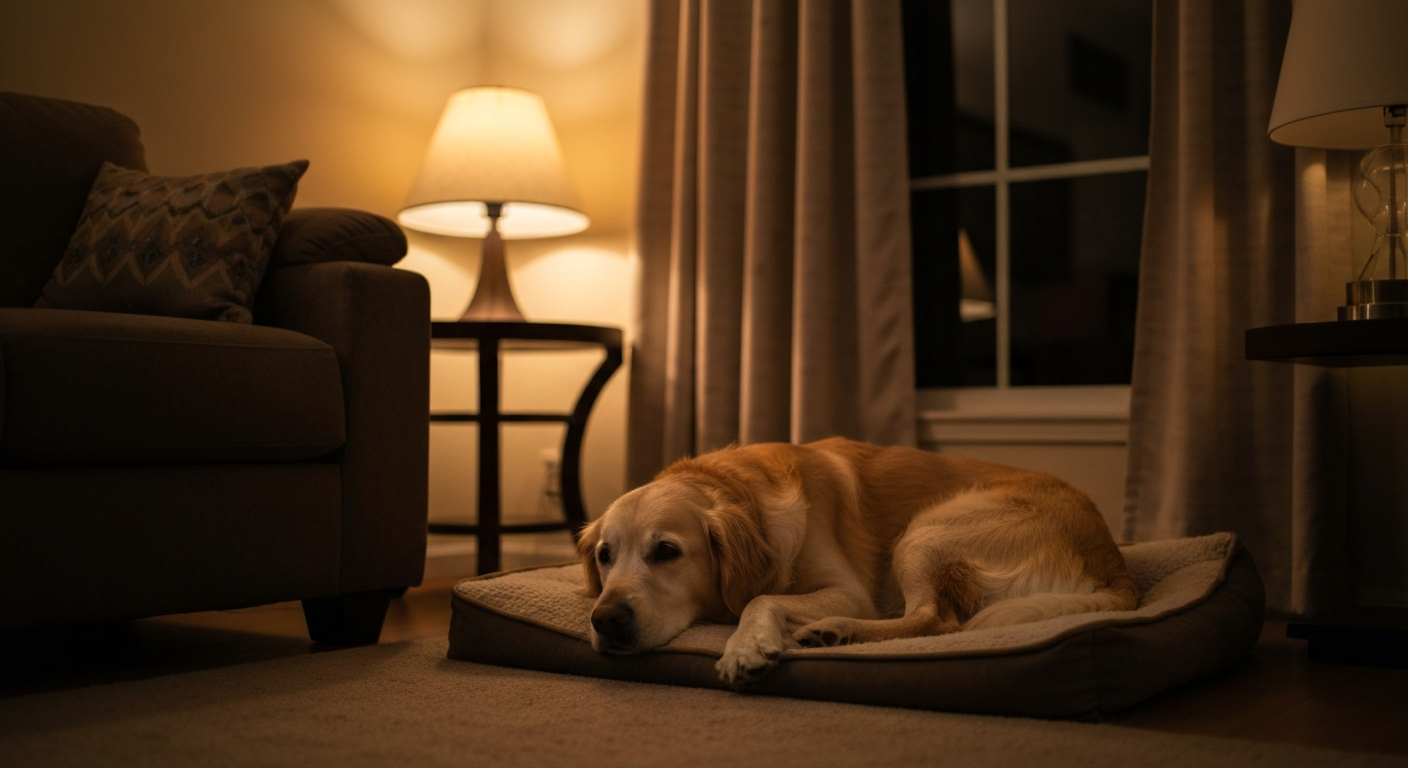 8 min
8 minJun 30, 2026
July 4th in Orange County: Where to Board Your Dog During Fireworks Season
July 4th is the single biggest day of the year for lost pets nationwide. Here's how Orange County pet parents in Irvine, Costa Mesa, San Juan Capistrano, and Wildomar can plan dog boarding around fireworks season — plus how to keep an anxious dog safe at home.
Read More →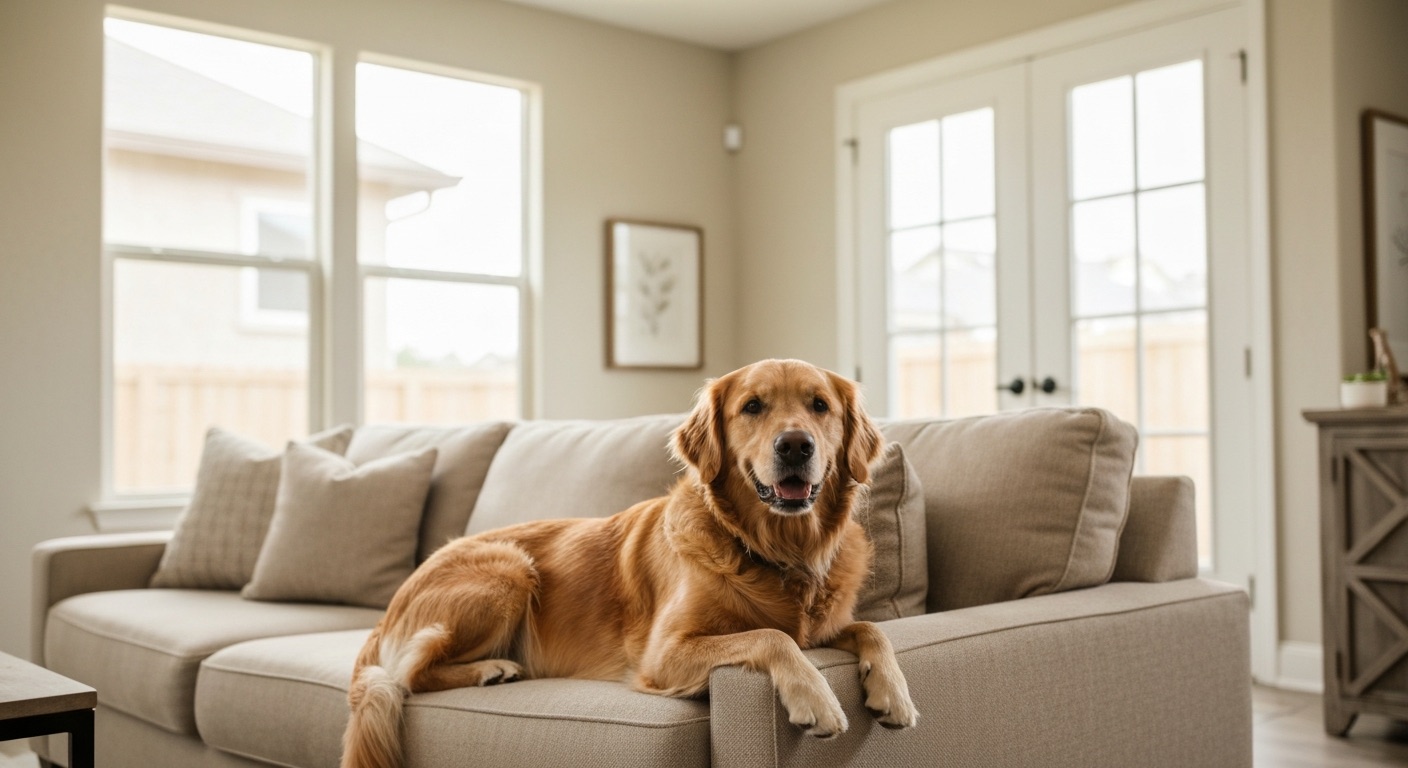 10 min
Jun 23, 2026
How Much Does Dog Boarding Cost in Orange County? A 2026 Pricing Guide
Wondering about dog boarding cost in Orange County? Here's what pet parents actually pay in 2026 — in-home vs. kennel pricing, what drives the price, and how to compare rates and book the right sitter.
Read More →