
Why Your Senior Dog Needs Specialized Boarding Care
7 min read
- 1.1. Meticulous Medication Management
- 2.2. Mobility and Joint Support
- 3.3. Cognitive Health and a Gentler Pace
- 4.4. Lower Ratios for Personalized Attention
- 5.5. Temperature Regulation: A Hidden Senior Concern
- 6.6. Signs Your Senior Dog Is Struggling During Boarding
- 7.7. Questions to Ask Before You Book for a Senior Dog
- 8.Trusting the Ruh-Roh Network
As our dogs enter their golden years, their needs change. The high-energy playgroups and busy environments that they once enjoyed can become overwhelming or even physically taxing. At Ruh-Roh Retreat, we understand that senior dogs don't just need a place to stay—they need a specialized environment that honors their pace, their health, and their need for extra comfort.
To help you ensure your older companion has the best experience possible, we connect you with Ruh-Roh Retreat sitters, many of whom have real experience caring for senior dogs. Here is why specialized boarding matters for the "senior citizens" of the dog world.
1. Meticulous Medication Management
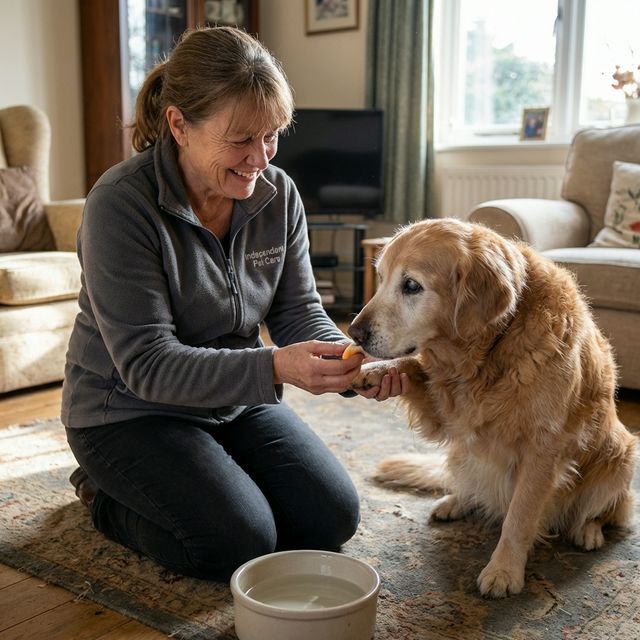
Many senior dogs rely on a strict regimen of supplements or medications for everything from arthritis to heart health. On our platform, you can find sitters who are highly experienced in administering complex medical care.
Because many sitters on our platform run lower-volume settings, they can treat medication administration with careful, unhurried attention—administering dosages with a gentle touch and giving you peace of mind while you're away.
2. Mobility and Joint Support
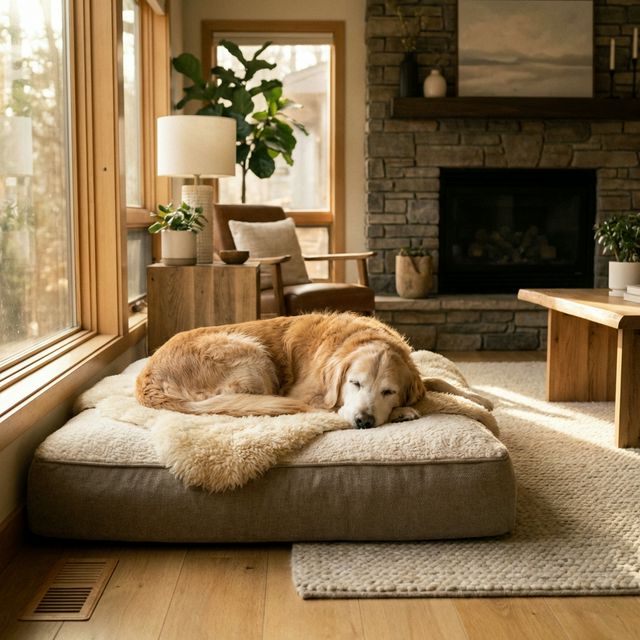
Hard floors and stairs can be tough on senior joints. A real home environment often provides the soft, consistent surfaces that help an older dog move comfortably.
The independent providers in the Ruh-Roh Retreat network offer real home environments — the kind of setting that's hard to replicate in a traditional facility. If you're still weighing your options, kennel vs. in-home boarding covers the key differences in detail.
- Orthopedic Bedding: Proper support for aging spines and hips.
- Non-Slip Surfaces: Rugs and runners that prevent slips and falls.
- Easy Access: Homes that don't require navigating multiple flights of stairs for potty breaks.
3. Cognitive Health and a Gentler Pace
Cognitive decline can make senior dogs more prone to confusion and stress in unfamiliar places. An unfamiliar, high-activity environment can exacerbate these feelings, leading to anxiety or "sundowning" behavior.
Because many sitters on the platform run independent, low-volume businesses, they often create quiet, predictable atmospheres. Many live alongside guest dogs, naturally offering the reassurance that sensitive seniors benefit from.
4. Lower Ratios for Personalized Attention
A senior dog might need more frequent potty breaks, a slower walking pace, or simply more frequent "cuddle checks." Ruh-Roh Retreat sitters generally care for smaller groups than commercial boarding facilities, so a senior who needs closer monitoring can get more one-on-one attention.
This means your dog’s independent sitter can notice the subtle signs of discomfort or change in appetite immediately. They have the autonomy to adjust the day’s resources to match your dog’s energy levels. Many sitters on the platform also incorporate hands-on calming techniques — such as the gentle massage and brushing practices described in the benefits of massage and brushing for anxious pups — which are equally soothing for older dogs carrying tension in their muscles and joints.
5. Temperature Regulation: A Hidden Senior Concern
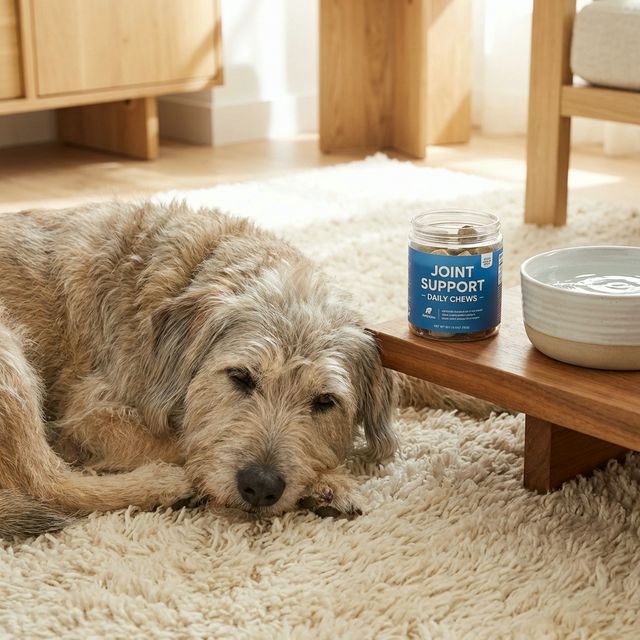
Older dogs lose their ability to regulate body temperature efficiently. What feels comfortable to a young dog can leave a senior shivering or overheating. This matters more in boarding than it does at home, where you control the thermostat and know your dog's signals.
Independent sitters who work with senior dogs tend to be attuned to this. They notice when a dog gravitates toward a sunny patch of floor versus retreating to a cool tile spot — and they adjust accordingly. Some larger facilities set one temperature for the whole space rather than tuning it to each dog. A real home allows for those micro-adjustments that can make a significant difference to an older dog's comfort throughout the day.
Signs that your senior may be struggling with temperature include:
- Excessive panting without recent exercise (overheating)
- Shivering or seeking warm surfaces persistently (too cold)
- Reluctance to go outside in extreme temperatures
- Lethargy beyond their normal resting level
Share your dog's temperature preferences explicitly with your sitter. If your senior has a favorite sunlit corner at home, mention it. If they wear a sweater indoors during winter, bring it.
6. Signs Your Senior Dog Is Struggling During Boarding
Even with the best preparation and the most attentive sitter, it's worth knowing what to watch for after pick-up. Some post-boarding adjustment is normal for any dog. These signs, however, suggest the stay was more stressful than it should have been:
- Significant weight loss — more than one or two pounds, especially in a smaller senior dog
- GI disruption lasting more than 48 hours — vomiting or diarrhea that doesn't resolve quickly
- Persistent disorientation or confusion — beyond normal post-boarding tiredness
- Aggression or fearfulness that wasn't present before — a behavioral shift worth discussing with your vet
- Refusal to eat for more than 24 hours after returning home — particularly concerning in seniors prone to hypoglycemia or with chronic health conditions
None of these mean boarding is wrong for your dog. They're signals to evaluate the match. A different sitter, a shorter trial stay, or more detailed pre-boarding preparation can often resolve the issue entirely.
7. Questions to Ask Before You Book for a Senior Dog
Before confirming a stay for an older dog, these questions help you assess whether a particular sitter is a strong fit:
- Have you cared for dogs with mobility issues or joint conditions before?
- What surfaces are available for sleeping — orthopedic options, raised beds, soft blankets?
- How do you handle medication administration — particularly if timing is strict?
- How many dogs will be in the home during our dog's stay? (Lower is better for a senior who needs quiet.)
- What is your protocol if my dog shows signs of distress or health changes?
- Can we do a trial daytime visit before the full overnight stay?
A provider who answers these questions with specific, thoughtful detail — rather than generic reassurance — is the kind of person your senior dog deserves.
Trusting the Ruh-Roh Network
Your dog has given you years of loyalty and love. As they age, they deserve a boarding experience that reflects that commitment. By choosing the Ruh-Roh Retreat platform, you are choosing to support independent businesses that value specialized care as much as you do.
One final note: document your senior dog's baseline before any boarding stay. A quick note on their normal appetite, energy level, sleep patterns, and bathroom frequency gives your sitter something concrete to compare against — and makes it much easier to catch early warning signs if something shifts during the stay. The more a sitter knows walking in, the less guesswork they face in real time.
Many platforms make it easy to find a sitter; Ruh-Roh Retreat makes it easier to find the right one — compare a curated community of experienced sitters and choose the experience that fits your individual senior dog. Ready to find the perfect match for your senior pup? Explore our network of sitters and book a stay that feels like home.
You Might Also Like
 11 min
Apr 30, 2026
Rattlesnake Season in Orange County: How to Keep Your Dog Safe This Spring
Rattlesnake season is starting early in Orange County this year. Here's where snakes are showing up across OC, the bite signs to know, and how dog parents can keep their pups safe this spring.
Read More →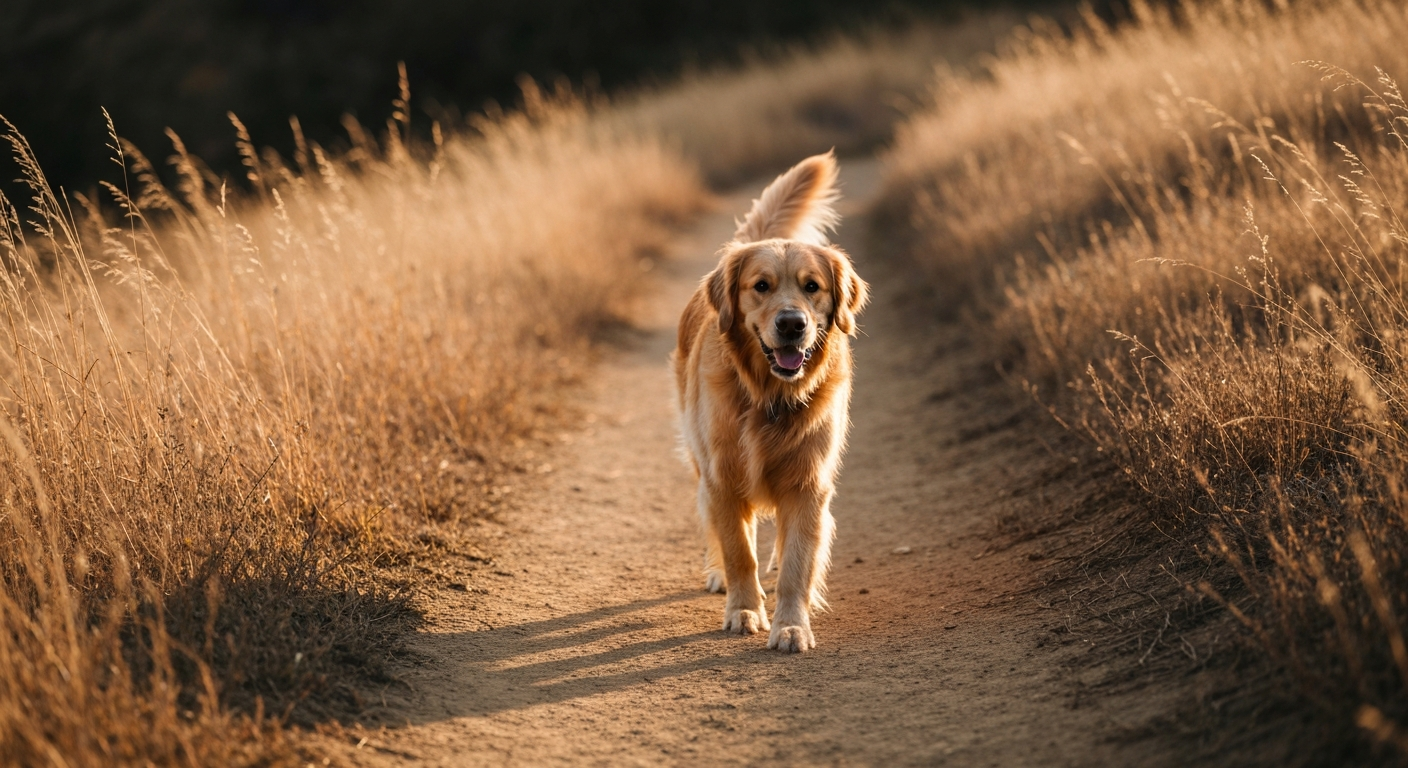 8 min
8 minApr 23, 2026
Foxtail Season in Orange County: What Dog Parents Should Know This Spring
Foxtail season is starting across Orange County. Here's where the barbed seeds hide, the symptoms to watch for, and how OC dog parents can keep their pups safe this spring.
Read More →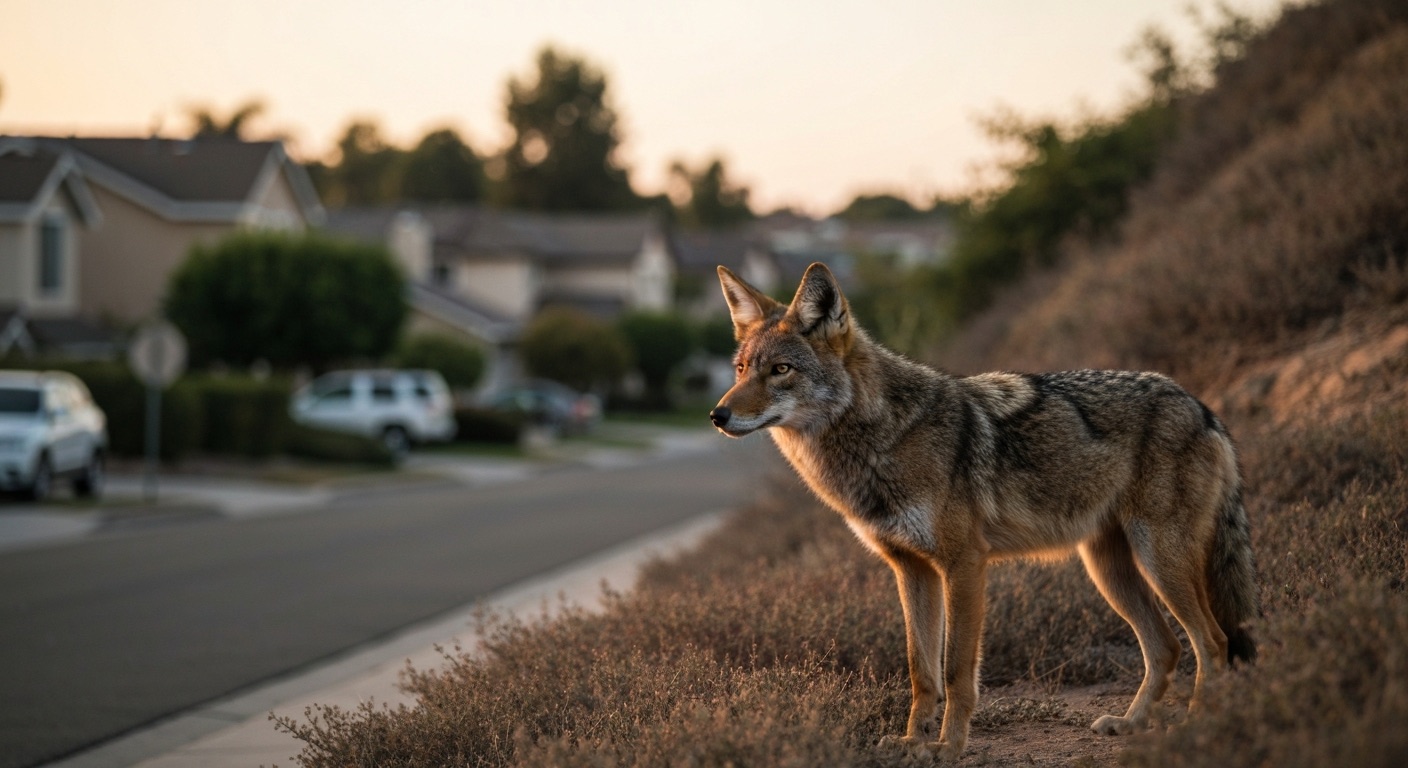 12 min
May 26, 2026
Coyote Season in Orange County: How to Keep Your Dog Safe Through Summer
Late spring through summer is peak coyote-conflict season in Orange County. Here's where coyote activity is highest in Irvine, Costa Mesa, San Juan Capistrano, and Wildomar — and what OC dog parents can do to keep dogs safe.
Read More →