
What is "Boutique" Dog Boarding? Why It Matters.
7 min read
- 1.Quality Over Quantity: The Low-Volume Difference
- 2.A True Home Away From Home
- 3.Personalized Routines, Not "One Size Fits All"
- 4.Safety Through Screening and Compatibility
- 5.How to Spot a Genuinely Boutique Experience
- 6.Is Boutique Boarding Right for Every Dog?
- 7.What to Expect on Drop-Off Day
- 8.Why It Matters
When you hear the word "boutique," you might think of a small, fashionable shop or a specialized hotel. But what does it mean when it comes to dog boarding? And more importantly, why should you care?
In the world of pet care, "boutique" isn't just a fancy label—it's an approach. It represents a shift away from the higher-volume model many traditional facilities use toward a more intimate, personalized, and home-centric approach. For a side-by-side breakdown of the two options, see kennel vs. in-home boarding: which is right for your dog?. For many dogs, especially those who are sensitive, older, or simply used to being part of the family, this distinction makes all the difference in the world.
Quality Over Quantity: The Low-Volume Difference
The most defining characteristic of boutique boarding is the number of dogs. Some larger facilities care for many dogs at once. Many are well-run, but a higher-volume setting is naturally busier and less quiet than a private home, which some dogs find harder to settle into.
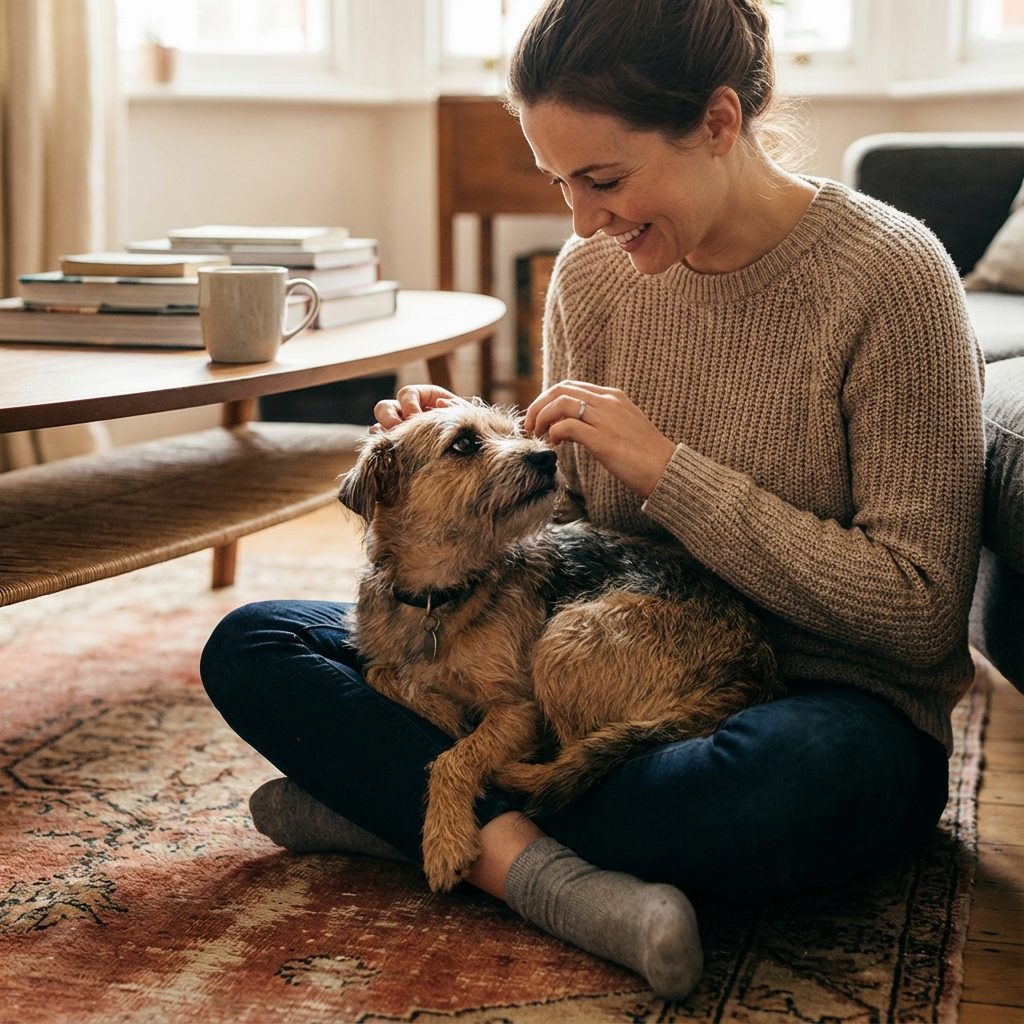
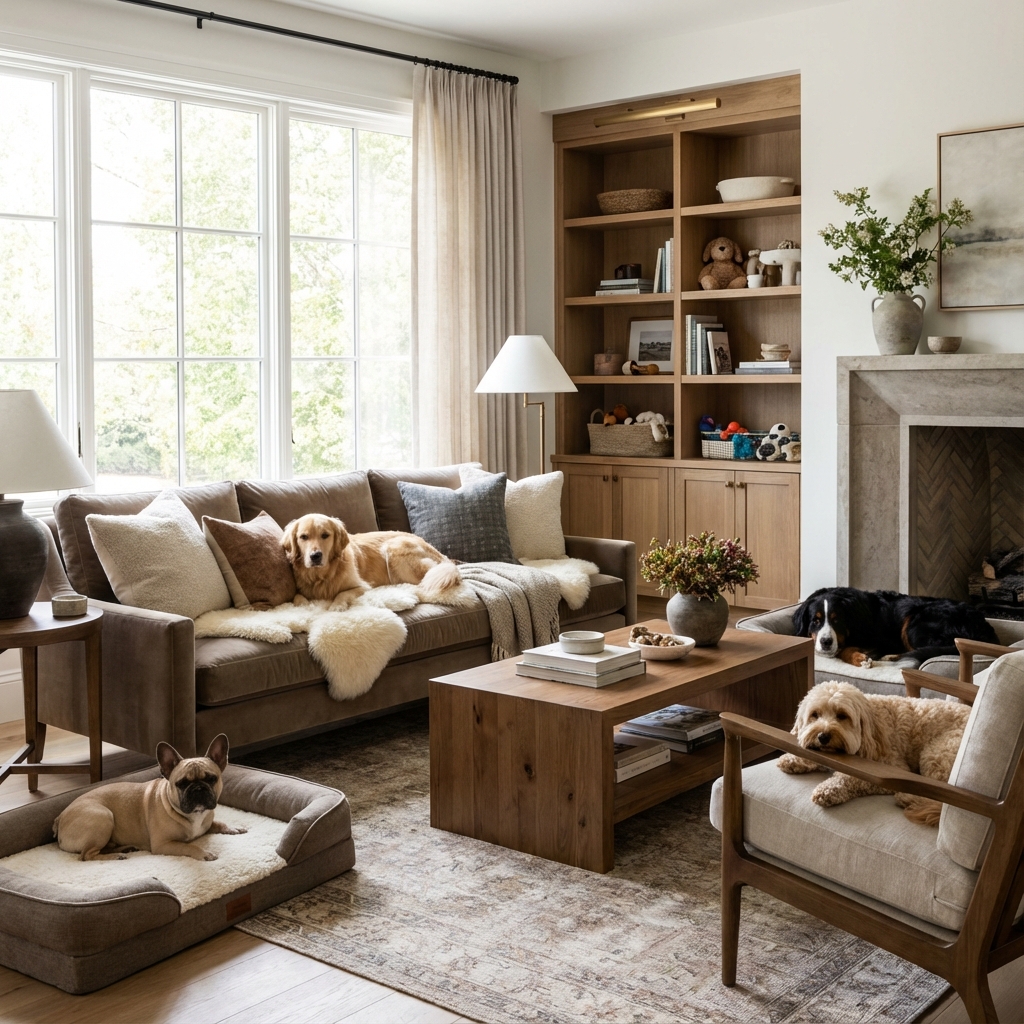
Boutique boarding, like what sitters on Ruh-Roh Retreat provide, is intentionally small-scale. This low volume tends to mean:
- Stress levels stay low: There is no cacophony of barking dogs or chaotic energy.
- Attention is undivided: Your dog isn't just a number; they are a guest who gets genuine, one-on-one attention throughout the day.
- Supervision is close: It is much easier to monitor health and behavior when watching a small group instead of a large one.
A True Home Away From Home
One of the biggest sources of stress for a boarded dog is the sudden change in environment. For dogs used to home comforts, a facility-style run can be a jarring change.
Boutique in-home boarding eliminates this shock. Your dog stays in a real home, sleeping on real furniture, and enjoying the comforts they are used to.
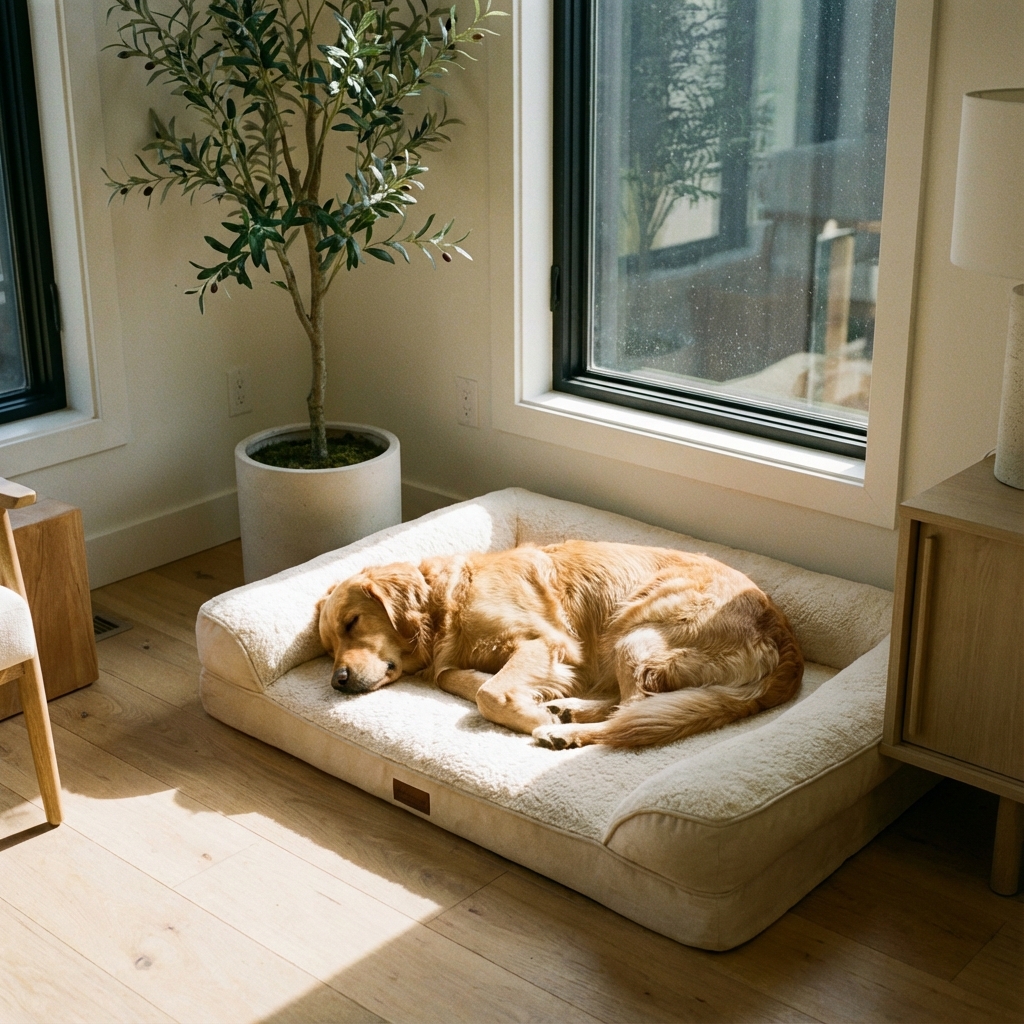
Whether it's lounging on a sun-drenched rug, curling up on the sofa for movie night, or having quiet time in a dedicated "zen den," the environment is designed to be soothing. This familiarity helps dogs settle in faster, eat better, and sleep more soundly.
Personalized Routines, Not "One Size Fits All"
Larger facilities often run on a shared group schedule, so there can be less room to tailor feeding, rest, and play to an individual dog.
Boutique care allows for flexibility.
- Does your dog need a slow morning warmup before heading outside? No problem.
- Do they prefer a mid-day nap instead of group play? Done.
- Are they used to a specific feeding ritual? A good sitter can work with it.
Because sitters aren't managing a massive pack, they can adapt the day to fit your dog's natural rhythm. This preserves their sense of normalcy and can reduce the "boarding hangover" (post-stay exhaustion) that some dogs experience after time in a busier, higher-volume environment. Maintaining a consistent structure is especially important for dogs who are sensitive to change — something covered in more depth in why routine and structured care reduce stress.
Safety Through Screening and Compatibility
A key component of the boutique experience is curation. Sitters on Ruh-Roh Retreat tend to be selective about compatibility, working to match guest dogs with their household and the other dogs staying with them.
This focus on compatibility creates a harmonious pack dynamic. You can rest easy knowing your dog is socializing with other screened, friendly pups, rather than joining a large group of dogs that may not have been assessed for compatibility.
How to Spot a Genuinely Boutique Experience
The word "boutique" is used loosely in the pet care industry. A facility can call itself boutique while still housing 40 dogs. Here's how to cut through the marketing language and evaluate what you're actually getting:
Questions to ask any boarding provider:
- How many dogs do you take at one time?
- Where do dogs sleep overnight — in a crate, a run, or with you in the home?
- What does a typical day look like hour by hour?
- How often will I receive updates, and in what format?
- What happens if my dog shows signs of stress or illness?
Red flags:
- Vague answers about dog-to-provider ratios
- No meet-and-greet offered before the booking
- Cookie-cutter responses that don't acknowledge your dog's specific needs
- No outdoor space or only a small concrete pen
Green flags:
- A specific answer about how many dogs they take at once, rather than a vague one
- An invitation to visit before committing
- Detailed follow-up questions about your dog's routine, diet, and personality
- A genuine home environment — furniture, yard access, regular household life
The independent sitters on the Ruh-Roh Retreat platform run their own businesses, which means they set their own capacity limits and care standards. That autonomy is what allows the boutique experience to exist at all.
Is Boutique Boarding Right for Every Dog?
Honestly? Most dogs thrive in boutique settings. But a few situations are worth considering:
What to look for in a sitter's environment, depending on your dog:
- A quieter household if your dog is anxious in large groups or noise-sensitive
- A sitter experienced with senior dogs who need a slower pace and softer surfaces
- A confidence-building setup for a puppy still getting used to new places
- A sitter comfortable with medical needs or medications that require close attention
- A home-centered routine for a dog used to sleeping indoors and being part of family life
These are things you can compare across sitters to find the right fit — not a verdict that any of these dogs can't do well elsewhere.
Every dog is different: An active, highly social dog might thrive with a sitter who offers lots of play and enrichment, while a quieter dog may prefer a calmer household — and some dogs enjoy a mix. What matters is matching the environment to your individual dog, which is why comparing each sitter's Home Environment and Care Style helps.
The point isn't that kennels are bad — it's that boutique in-home boarding solves a specific set of problems for a specific set of dogs. For a direct comparison that walks through each factor side by side, see kennel vs. in-home boarding: which is right for your dog?.
What to Expect on Drop-Off Day
Knowing what to expect on the first day helps reduce anxiety — for both you and your dog.
A typical drop-off with a boutique sitter looks like this:
- Brief overlap time. Your sitter will spend a few minutes with both of you present, letting your dog sniff the space and get comfortable before you leave.
- Handoff details. You'll walk through the feeding schedule, any medications, favorite toys, and quirks. Write it down if you haven't already.
- A calm goodbye. Keep your exit low-key. Prolonged goodbyes increase anxiety for most dogs.
- First update. Many providers send a check-in photo within the first hour or two — proof that your dog is settling in.
For dogs doing their first-ever boarding stay, a trial half-day visit beforehand can make drop-off day significantly smoother.
Why It Matters
Choosing boutique boarding is about prioritizing your dog's emotional well-being. It's about ensuring that while you are away enjoying your vacation, your dog is enjoying theirs too—not just getting by, but genuinely enjoying their stay.
Your dog is family. They deserve a vacation that feels as special as yours.
Many platforms make it easy to find a sitter; Ruh-Roh Retreat makes it easier to find the right one — compare a curated community of experienced sitters and choose the experience that fits your individual dog.
Ready to find a boutique boarding experience for your pup? Browse independent sitters on Ruh-Roh Retreat and find the perfect match.
You Might Also Like
 8 min
8 minJul 4, 2026
How to Book a Dog Sitter Online in Orange County: A Step-by-Step Guide
Learn how to book a dog sitter online in Orange County — from comparing sitters to a meet-and-greet to confirming dates — plus the trust signals worth checking before you commit.
Read More →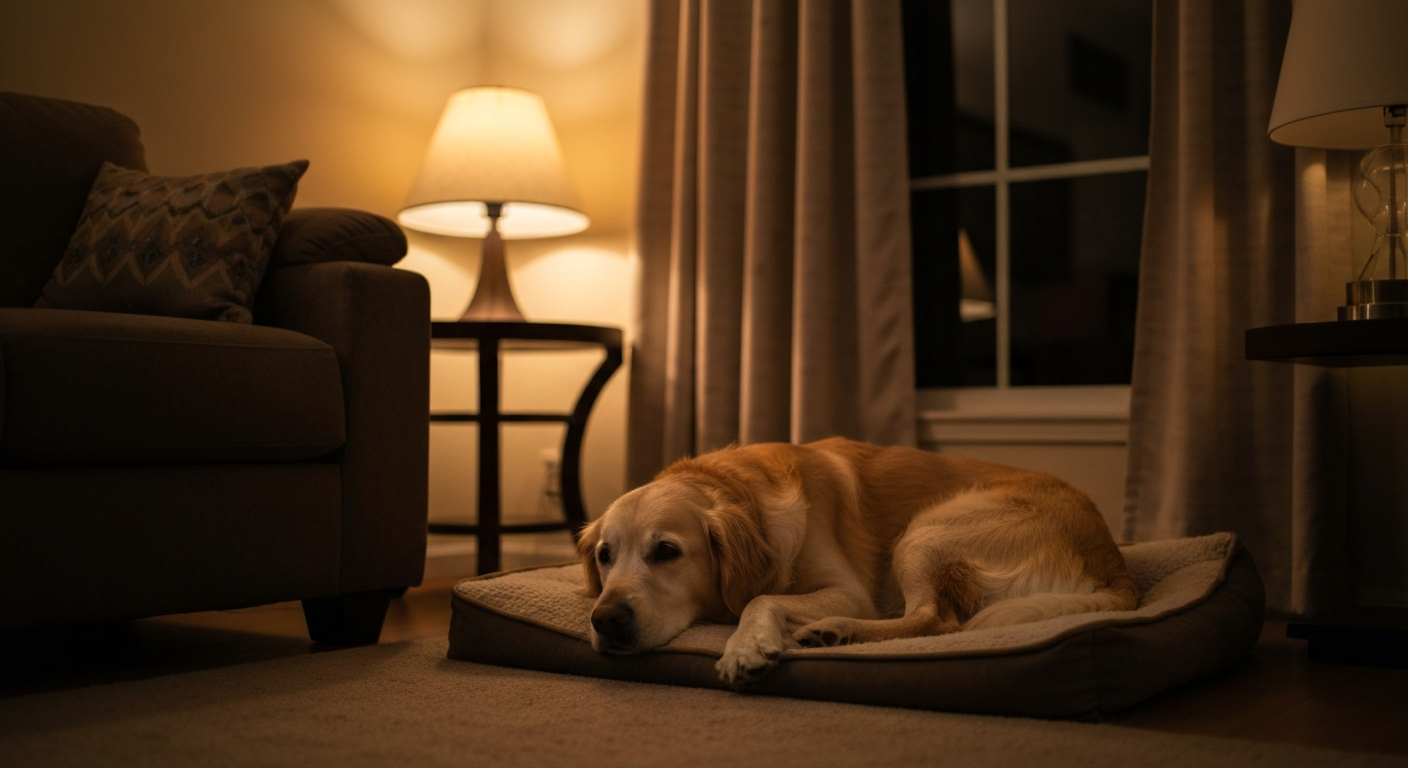 8 min
8 minJun 30, 2026
July 4th in Orange County: Where to Board Your Dog During Fireworks Season
July 4th is the single biggest day of the year for lost pets nationwide. Here's how Orange County pet parents in Irvine, Costa Mesa, San Juan Capistrano, and Wildomar can plan dog boarding around fireworks season — plus how to keep an anxious dog safe at home.
Read More →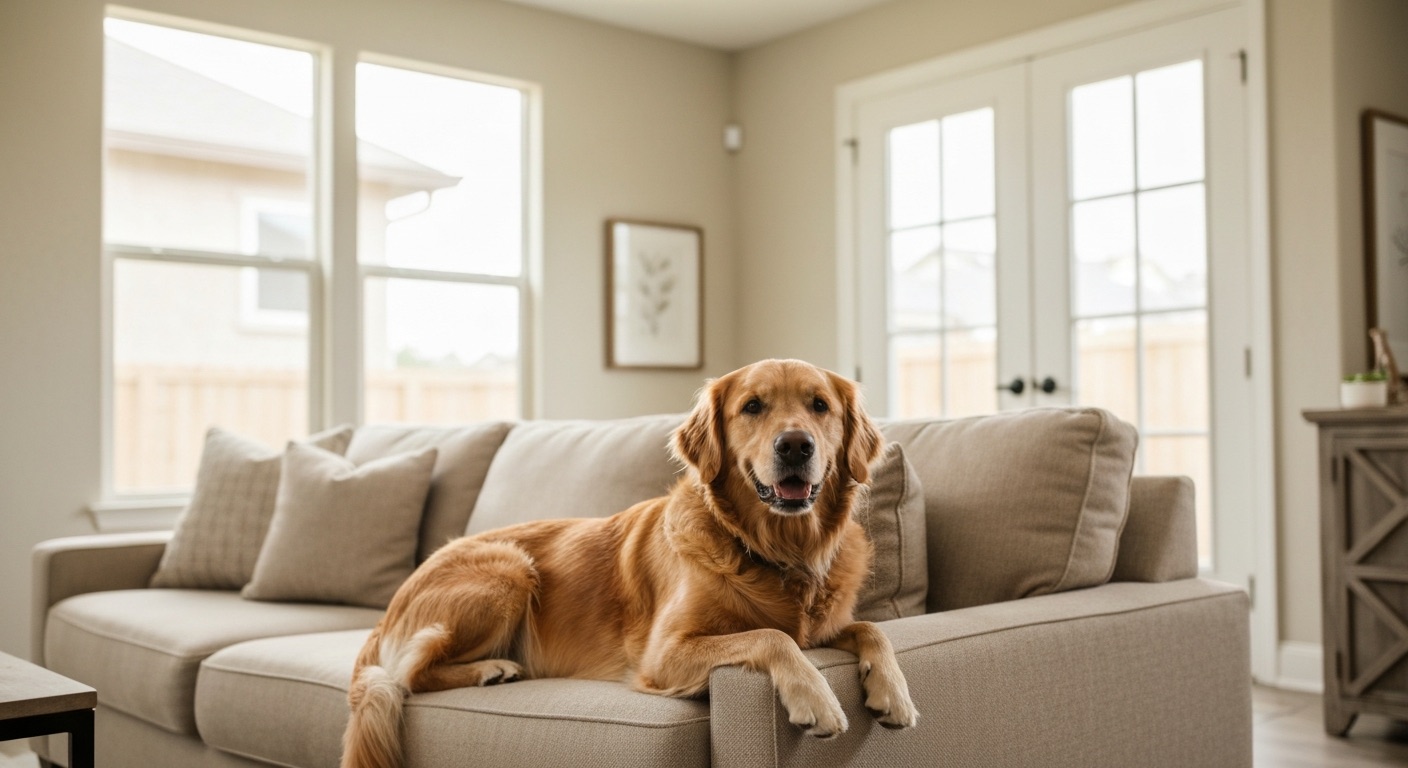 10 min
Jun 23, 2026
How Much Does Dog Boarding Cost in Orange County? A 2026 Pricing Guide
Wondering about dog boarding cost in Orange County? Here's what pet parents actually pay in 2026 — in-home vs. kennel pricing, what drives the price, and how to compare rates and book the right sitter.
Read More →