
Senior Dog Boarding: What Older Dogs Actually Need When You're Away
13 min read

- 1.Why Senior Dogs Need Something Different Than Adult Dogs
- 2.Why In-Home Boarding Tends to Suit Senior Dogs Better
- 3.What to Look for in Senior Dog Boarding
- 4.Questions to Ask Before Booking
- 5.Red Flags to Watch For
- 6.How Ruh-Roh Retreat Helps Pet Parents Find Senior-Friendly Sitters
- 7.Frequently Asked Questions
- 8.Ready to Find Senior-Friendly Dog Boarding?
Senior dog boarding is one of those phrases that sounds straightforward until you're the one searching for it at 11 PM, staring at your graying Labrador who just had her joint supplement and can't quite make it up the stairs anymore. Suddenly, the same boarding options that worked fine for your dog at age four feel wrong. The noise, the concrete floors, the unfamiliar routine — none of it fits who your dog has become.
Older dogs have different needs. Their mobility, their sleep patterns, their tolerance for stimulation, their medication schedules, and even their confidence around strangers all change as they age. Boarding that doesn't account for these changes can leave a senior dog exhausted, anxious, or physically set back in ways that take weeks to recover from. This guide walks through what senior dog boarding should actually look like, what questions to ask before you book, and how to find a sitter who genuinely understands the needs of an aging dog.
Why Senior Dogs Need Something Different Than Adult Dogs
A seven-year-old Labrador and a fourteen-year-old Labrador are technically the same breed, but they're essentially different dogs. The older one is almost certainly dealing with some combination of arthritis, slower digestion, reduced hearing or vision, cognitive changes, and a narrower tolerance for stress. What felt like a normal kennel stay when she was five might now feel overwhelming — not because the kennel changed, but because she did.
Mobility declines gradually, and then suddenly matters a lot. Stairs that used to be nothing become a daily negotiation. Slippery floors can cause falls. Jumping in and out of cars requires more care. A boarding environment that isn't designed for these realities — with hard floors, stairs between sleeping areas, or spaces that require crouching — can accelerate decline or cause injury.
Sleep becomes fragmented and critical. Senior dogs sleep more overall but often in shorter bursts. They may need to get up multiple times at night for water or a bathroom break. A busy, high-stimulation setting with lots of barking and foot traffic can make this restless sleep even harder. Rest matters profoundly for older dogs — it's how their bodies manage inflammation, maintain cognitive function, and stay resilient against stress.
Medication routines are non-negotiable. Many senior dogs are on daily medications for arthritis, heart conditions, thyroid issues, or cognitive support. Missing a dose or giving one at the wrong time isn't a minor issue — it can mean a pain flare, a blood pressure spike, or confusion that takes days to resolve. A boarding provider who treats "medication time" as a rushed checkbox is not the right fit for a senior dog.
Anxiety responses are often stronger. Older dogs frequently become more sensitive to change, separation, and unfamiliar environments. The confident dog you boarded three years ago may now become genuinely distressed in the same setting. Senior dogs with cognitive decline can experience something similar to sundowning — afternoon or evening confusion and anxiety that's made worse by unpredictable environments.
Why In-Home Boarding Tends to Suit Senior Dogs Better
When pet parents search for senior dog boarding, they're usually not looking for a bigger kennel — they're looking for something fundamentally different. The in-home model tends to align with what aging dogs actually need in ways that can be harder to find in a larger commercial setting.
A real home environment matches their current pace. Senior dogs benefit from quiet, predictable settings where they can rest without being stimulated into activity by the presence of many other dogs. An independent sitter hosting a small number of dogs in their home can offer the kind of slow, calm rhythm that lets an older dog actually relax. Many pet parents of senior dogs gravitate toward this kind of setting — the in-home versus kennel comparison shows just how much the environment shapes a dog's stress response.
Surfaces and layout adapt to the individual dog. Sitters in homes can — and often do — add orthopedic beds, non-slip rugs, ramps, and elevated feeders based on the specific dog staying with them. A sitter who has hosted senior dogs before usually already has these things. That kind of individual adjustment can be harder to replicate in a larger facility built around a more standardized layout.
Routines can be preserved almost exactly. A private sitter can often match your dog's existing feeding schedule, walk length, bedtime, and even medication timing more closely than a facility running on rotating staff shifts. For a senior dog, keeping these anchors in place is often the difference between a stay that's stressful and one that's restorative. If you want to understand why that routine consistency matters so much for dogs under stress, our piece on structured care and routine explains the behavioral science.
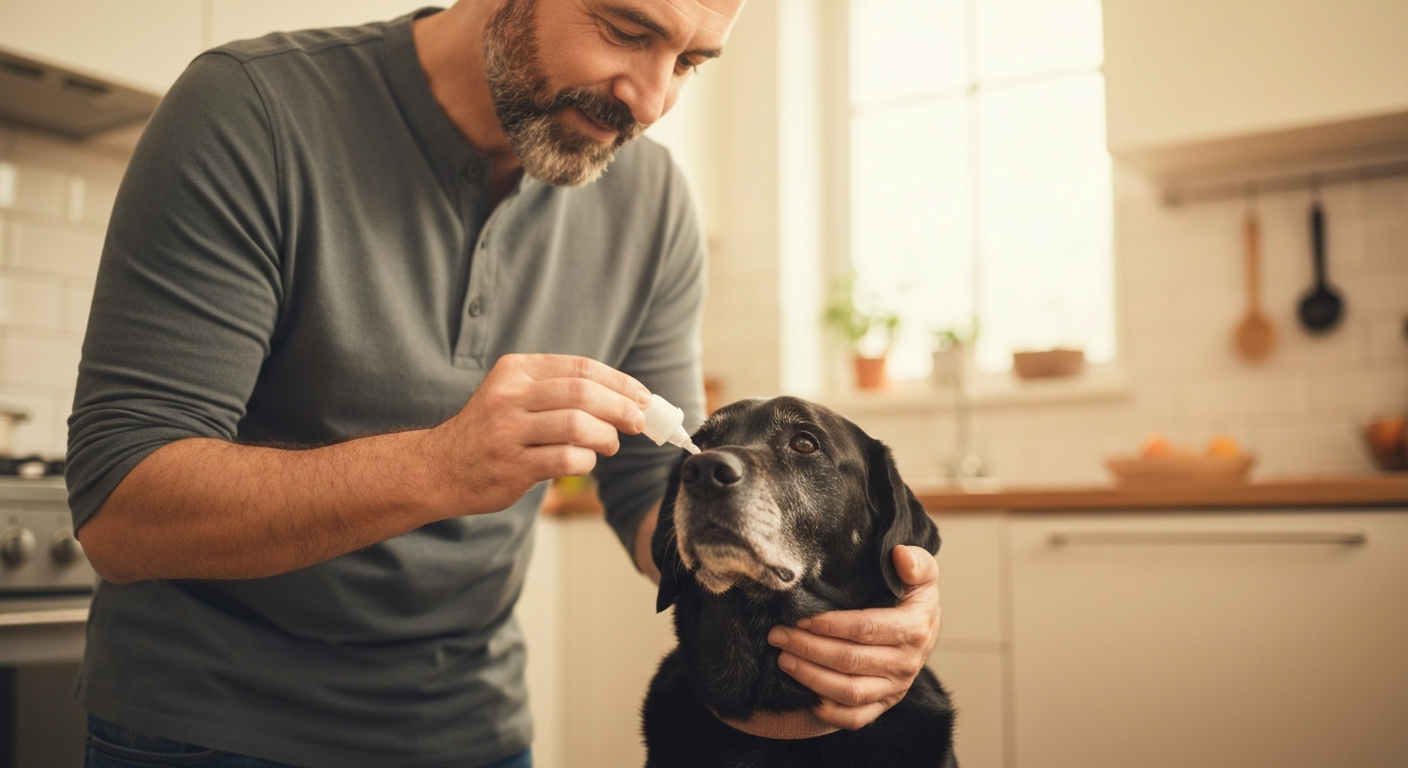
Updates and visibility matter even more with seniors. When you're away from a young, healthy dog, photo updates are nice. When you're away from a senior dog with medical needs, those updates are genuinely important. You want to see how she's moving, whether she's eating, whether she's sleeping normally. Private in-home sitters typically provide frequent photo and video updates — sometimes daily, sometimes multiple times a day — which is essential for senior stays. We've written about why daily updates during boarding matter in more depth.
What to Look for in Senior Dog Boarding
Not every sitter is a good match for an older dog, even if they're excellent with adult dogs or puppies. Here's what actually matters when you're evaluating someone to care for a senior.
Experience With Older Dogs Specifically
Ask directly. "Have you boarded senior dogs before? Tell me about one of them." You're listening for two things: whether they've actually done it, and whether they understand what's different about seniors. A sitter who mentions things like orthopedic beds, slower walks, medication schedules, or nighttime bathroom needs is showing you they've actually paid attention to what older dogs need. A sitter who answers with generic pet-care talk may not.
A Home That Works for Aging Bodies
Look at photos, ask about the layout, and think about your dog specifically. Are there stairs your dog would need to navigate? Are the floors mostly hardwood or tile (slippery) or is there carpet and rugs? Is the backyard accessible without jumps or steep grades? Where will your dog sleep — on a soft bed on the floor, or somewhere requiring climbing?
A sitter who has thoughtfully set up their home for senior guests will have answers. One who says "oh, she'll be fine" without acknowledging the specifics is a different kind of signal.
Comfort With Medications and Medical Observation
If your dog is on medication, this isn't negotiable. Ask the sitter to walk you through how they'd handle a day of your dog's medication schedule. A good sitter will ask specific questions: What time? With or without food? What should they watch for after the dose? How should they reach you if something seems off?
Senior dogs also sometimes need observational care — watching for changes in appetite, energy, or gait that might signal something is going wrong. A sitter who takes medical notes and sends daily observations is offering real care. A sitter who just sends a quick "Buddy's doing great!" text may be missing things.
A Calm, Low-Volume Environment
The number of dogs a sitter hosts at once matters significantly for seniors. Ruh-Roh Retreat sitters generally care for smaller groups than commercial boarding facilities, but the right number for your dog depends on their temperament — a busier household may suit some dogs while feeling too chaotic for an older one who just wants to rest. Ask how many dogs will be there during your dog's stay, and ideally look for a setup where your senior will be either the only guest or with one other calm, compatible dog.
Patience With a Slower Pace
This one is hard to evaluate until you meet a sitter, but it matters. Senior dogs move slower, need more breaks, and sometimes need help getting up or navigating stairs. A sitter who is patient — who doesn't rush your dog, who builds in extra time for walks, who understands that an older dog may need to turn around and go home early on a hot day — is the kind of person you want caring for an aging companion.
Questions to Ask Before Booking
Once you've narrowed down sitters that seem like a reasonable fit, a phone call or in-person meet-and-greet is essential for senior dog boarding. Here are the questions worth asking:
- "How many dogs will be staying during my dog's visit?" You want low numbers, and you want to know the other dogs' temperaments.
- "What's your experience with [specific condition — arthritis, cognitive decline, diabetes, etc.]?" If your dog has a specific medical situation, the sitter's experience with it matters.
- "Can you walk me through how you'd handle her medication schedule?" Listen for specificity and the right questions back.
- "Where would she sleep?" Ideally, it's a quiet, low-traffic space with a comfortable bed.
- "What does a normal day look like for a senior guest in your home?" You want to hear about calm routines, gentle walks, rest time, and attentiveness — not a busy pack of dogs.
- "How will you communicate with me during the stay?" Frequent updates matter more for seniors. You want photo or video updates at least daily.
- "What's your plan if she shows signs of distress or a medical issue?" A good sitter will have an emergency vet in mind, will know how to reach you quickly, and will know when to call.
- "Can we do a trial day first?" Many pet parents of seniors benefit from doing a short day visit before a longer stay, which lets everyone see how the dog settles.
Red Flags to Watch For
Some signs are worth paying attention to when you're evaluating senior dog boarding:
- Vague answers about senior-specific care. If a sitter can't speak specifically about what older dogs need, they probably haven't hosted many.
- High volume of guest dogs. A busy, high-volume household can be too much stimulation for many seniors — ask about the size and energy of the group during your dog's stay.
- Resistance to a meet-and-greet. Any sitter unwilling to meet your dog beforehand isn't the right fit for a senior stay.
- No written communication plan. Updates shouldn't be up to chance — you should know how often you'll hear from them and what form it'll take.
- Dismissiveness about medications. If a sitter acts like medication administration is a minor detail, find someone else.
- A facility or kennel-like setup marketed as "home boarding." This sometimes happens. You want a real residential home, not a converted garage or basement.
How Ruh-Roh Retreat Helps Pet Parents Find Senior-Friendly Sitters
Ruh-Roh Retreat is a marketplace that connects pet parents in Orange County and nearby areas with independent sitters who run in-home boarding from their own residences. Sitters on our platform set their own rates, host on their own schedules, and choose which dogs they accept. Many of them have direct experience with senior dogs — because they're dog people, not just dog workers, and the kind of sitter who gravitates to the in-home model tends to be the kind who's patient, attentive, and comfortable adapting to whatever a dog needs.
When you browse sitters on our platform, you can read each sitter's profile, see their experience level, and reach out directly to ask about senior dog care. Some of our sitters specifically note that they love caring for senior dogs — others are happy to discuss it when you reach out. Either way, you're talking directly to the person who will be caring for your dog, which matters.
Sitters in Irvine, Costa Mesa, San Juan Capistrano, and Wildomar are all active on our platform, and each offers a different style of home environment. If you've already looked into private dog boarding in Irvine or read our guide on Costa Mesa dog boarding, you have a sense of how local, in-home care works on our platform. Senior dog boarding follows the same principle — you're finding a real person, in a real home, who takes your dog's needs seriously.
Frequently Asked Questions
Q: Is my senior dog too old to board? A: Probably not. Age alone isn't a disqualifier — what matters is your dog's overall health, mobility, and temperament. A thirteen-year-old dog who's healthy and comfortable with new people can often do beautifully in the right in-home setting. A dog with severe cognitive decline or unstable medical conditions may be better served by an in-home pet sitter who cares for her in your house instead.
Q: How much does senior dog boarding usually cost? A: Rates on our platform vary by sitter, location, and the level of care your dog needs. In-home senior boarding generally falls in a similar range to standard in-home boarding, though sitters may charge a modest premium for dogs with complex medication schedules or special needs. You'll see each sitter's rates when you browse, and you can message them directly to discuss anything specific to your dog.
Q: Should I leave my senior dog's medications with the sitter? A: Yes, always. Bring the medications in their original containers with clear dosing instructions. Write out the full schedule, including what each medication is for, what to do if your dog refuses to take it, and what side effects to watch for. Leave your vet's contact information and an emergency vet nearby in case something comes up.
Q: What if my senior dog has an accident in the house? A: Most in-home sitters understand that older dogs sometimes have accidents — it's part of senior care. Any sitter worth booking will handle it calmly and won't charge you extra for normal cleanup. If your dog has frequent incontinence, mention it upfront so the sitter can plan accordingly (extra potty breaks, protective pads, easily cleanable sleeping area, etc.).
Q: Can I visit or video-call during the stay? A: Policies vary. Many sitters on our platform send photo and video updates and are happy to do short video calls if it helps you feel connected. Some pet parents of seniors find that checking in by video once or twice during a longer stay is reassuring. Ask the sitter about this upfront — a good one will work with you.
Ready to Find Senior-Friendly Dog Boarding?
Your senior dog deserves a stay that respects who she is now — a slower pace, a calmer environment, more attention to comfort, and a real person who genuinely cares about her well-being. Browse sitters near you on Ruh-Roh Retreat, read their profiles, and reach out directly to find someone who's the right fit for your older dog. Whether you're in Irvine, Costa Mesa, San Juan Capistrano, Wildomar, or somewhere else in Orange County, there are independent sitters on our platform who would love to meet your senior and take good care of her while you're away.
You Might Also Like
 10 min
May 20, 2026
What Age Are Dogs Too Old for Boarding? An Honest Guide for Senior Dog Parents
Wondering what age are dogs too old for boarding? Age alone isn't the answer. Here's how Orange County pet parents can actually decide whether their senior dog is ready for a boarding stay.
Read More →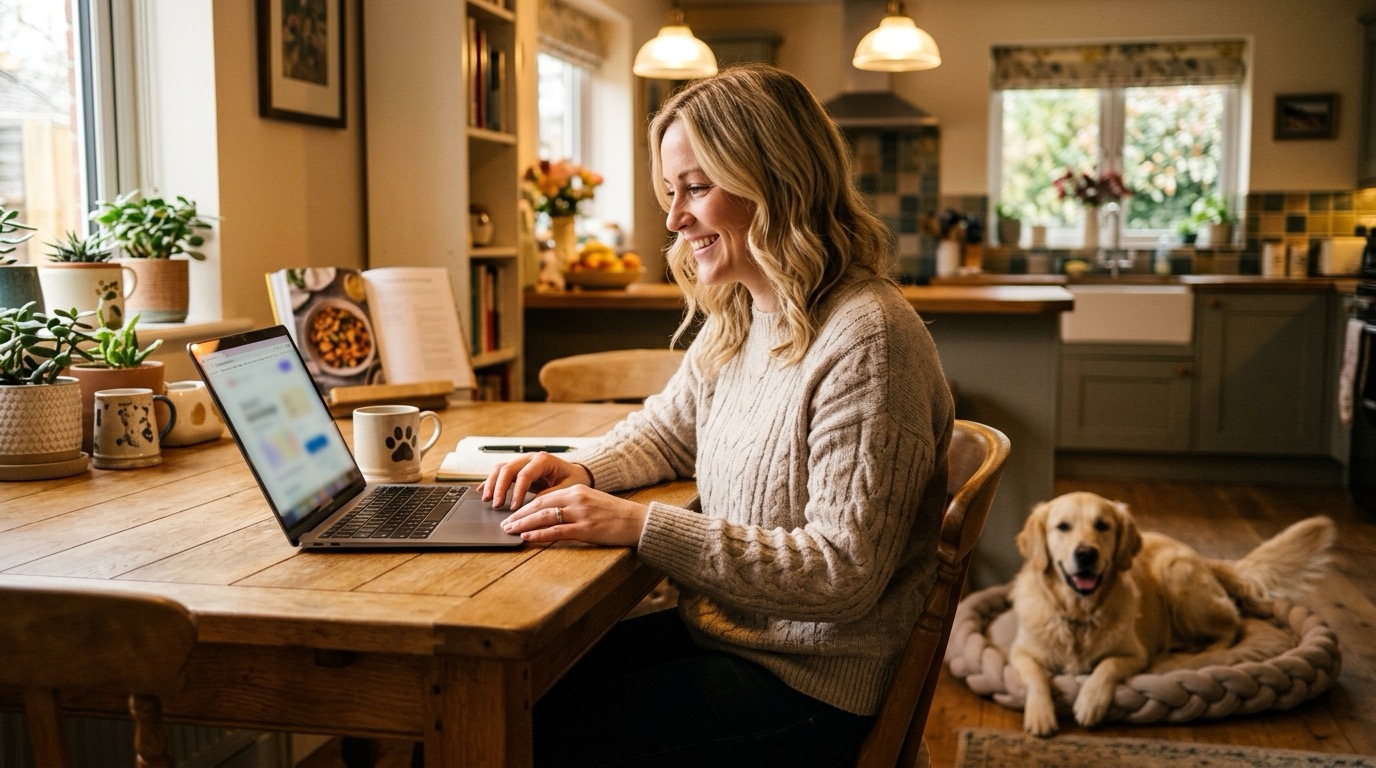 8 min
8 minJul 4, 2026
How to Book a Dog Sitter Online in Orange County: A Step-by-Step Guide
Learn how to book a dog sitter online in Orange County — from comparing sitters to a meet-and-greet to confirming dates — plus the trust signals worth checking before you commit.
Read More →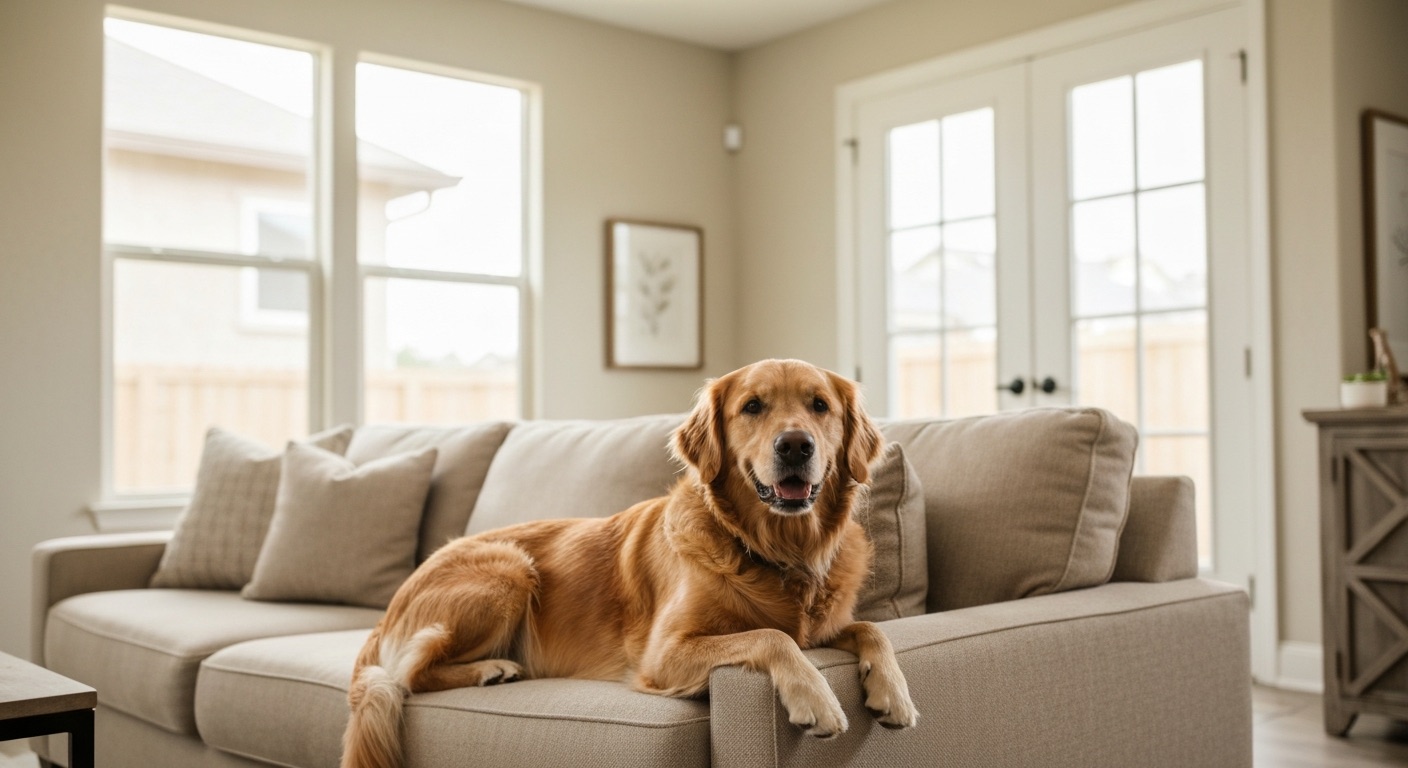 10 min
Jun 23, 2026
How Much Does Dog Boarding Cost in Orange County? A 2026 Pricing Guide
Wondering about dog boarding cost in Orange County? Here's what pet parents actually pay in 2026 — in-home vs. kennel pricing, what drives the price, and how to compare rates and book the right sitter.
Read More →