
Rattlesnake Season in Orange County: How to Keep Your Dog Safe This Spring
11 min read
- 1.What's Different About Rattlesnake Season in 2026
- 2.Where OC Dogs Are Most Likely to Run Into Rattlesnakes
- 3.Signs Your Dog Has Been Bitten
- 4.What to Do If Your Dog Is Bitten
- 5.Prevention: What Actually Works
- 6.What to Tell a Sitter Who's Watching Your Dog This Spring
- 7.Frequently Asked Questions
- 8.Enjoying OC Outdoors With a Dog This Spring
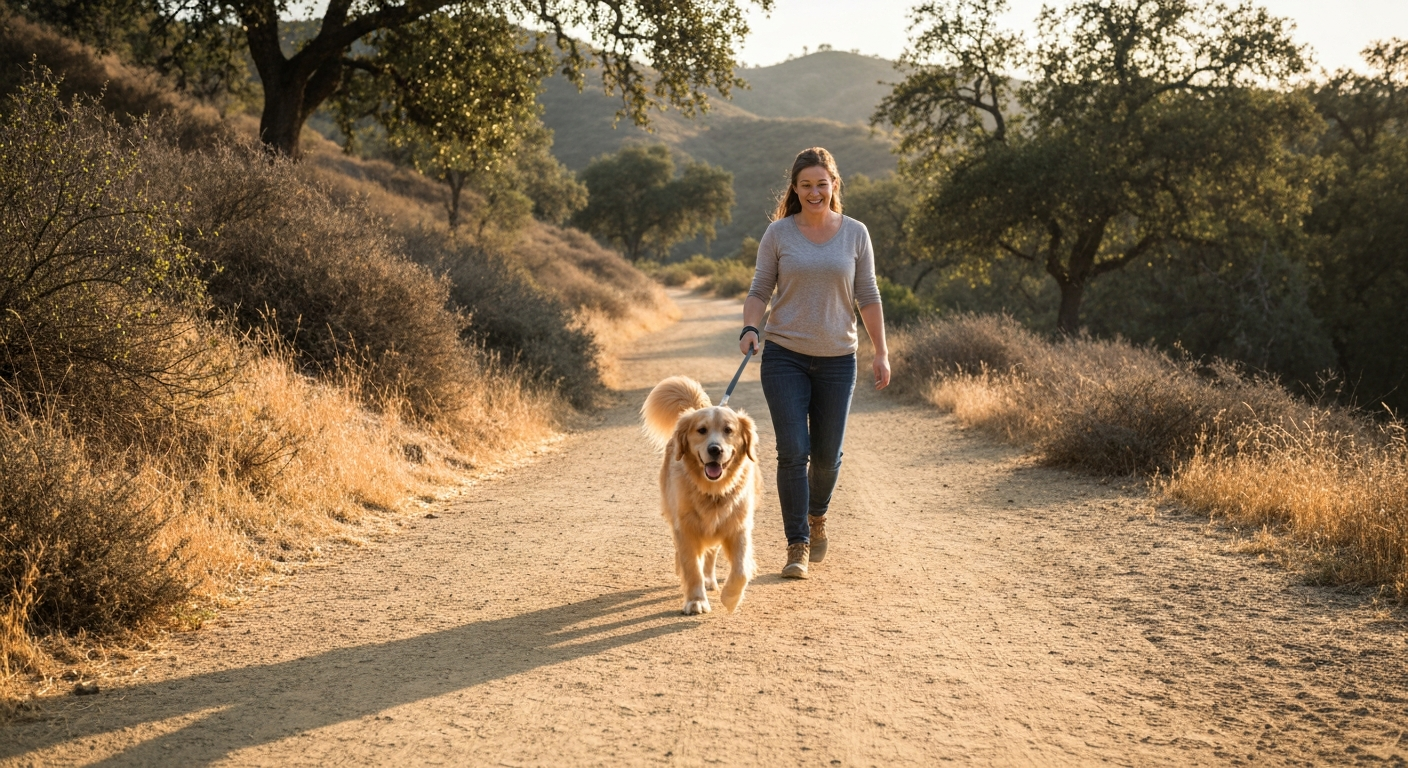
If you hike, run, or even just walk your dog through any OC neighborhood that backs up to open space, this is the spring to start watching the trail edges. Rattlesnake season is here — and according to local emergency vets and California Poison Control, it started earlier than usual this year. Warm March temperatures pulled snakes out of brumation weeks ahead of schedule, and bite reports across Southern California are already running ahead of last spring's pace.
In Orange County specifically, rattlesnakes have been reported on trails in Irvine, Crystal Cove, Whiting Ranch, and the canyons above San Juan Capistrano in just the past few weeks. A 25-year-old mountain biker in Irvine was bitten earlier this year after losing his balance and falling into brush along a popular trail — a reminder that the danger isn't only deep in the backcountry. With more dogs out enjoying the warm weather, it's worth knowing exactly what to watch for and how to react if something goes wrong.
What's Different About Rattlesnake Season in 2026
Rattlesnake activity is normal in OC every spring. What's different this year is the timing. California Poison Control logged 77 snakebite calls statewide in just the first three months of 2026, well above the usual pace, and a couple of fatal bites in San Diego have already made local news. The pattern is the same one wildlife biologists warned about last fall: warmer winters, longer dry spells, and earlier emergence.
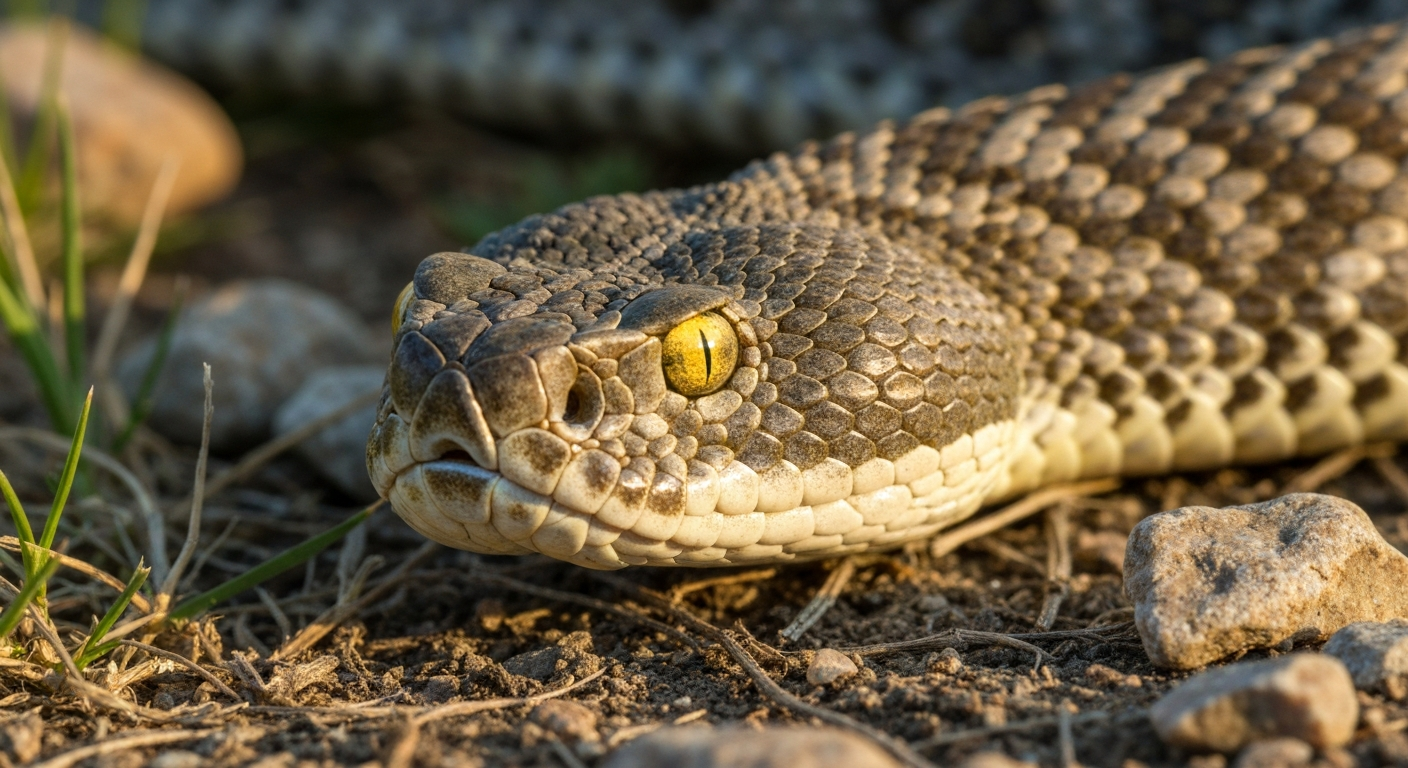
The species you're most likely to encounter in OC is the Southern Pacific rattlesnake. It lives in the chaparral, rocky hillsides, and canyon brush from the Santa Ana foothills down to the south county canyons and out into Riverside County. They're not aggressive, but they are well-camouflaged and quick to defend themselves when surprised — which is exactly the situation a curious off-leash dog tends to create.
Bite season for OC dogs typically runs April through October, with the most dangerous windows being warm afternoons in spring and early-morning hours in summer (when snakes thermoregulate on warm rocks and trail surfaces). If you live in Irvine, San Juan Capistrano, Wildomar, or anywhere with a wildland edge nearby, consider this your spring heads-up.
Where OC Dogs Are Most Likely to Run Into Rattlesnakes
Rattlesnakes don't live everywhere in Orange County, but they live close to a lot of dogs. The high-risk zones tend to be:
- Foothill and canyon trails — Crystal Cove, Laguna Coast Wilderness, Whiting Ranch, Peters Canyon, Aliso & Wood Canyons, and the trails behind Quail Hill in Irvine. Sunny, exposed sections with rocks and brush are prime ambush habitat.
- Backyards that border open space — homes in Turtle Rock, Quail Hill, Northwood, Coto de Caza, San Juan Capistrano's Marbella and hillside neighborhoods, and Wildomar's foothill streets all have direct snake territory at the fence line.
- Equestrian and horse-keeping areas — Trabuco, Silverado, and parts of San Juan Capistrano have barns, woodpiles, and tack rooms that attract rodents (and the snakes that follow them).
- Wildomar and the Temecula Valley fringe — the chaparral around the I-15 corridor is full of Southern Pacific rattlesnake habitat. Local Wildomar residents see them in driveways and on community trails every spring.
- Construction zones and graded lots — newly disturbed land in any OC city tends to push snakes into surrounding yards while they look for new cover.
If you're somewhere in OC where coyotes are a normal backyard sighting, rattlesnakes are usually a normal backyard risk too — they share the same wildland-urban edge. For a refresher on OC's local outdoor scene more broadly, our guide to dog-friendly hiking spots in Irvine and Orange County covers which trails stay safer in warm weather and which ones to skip when the brush gets dense.
Signs Your Dog Has Been Bitten
A rattlesnake bite is not subtle, but the early signs can move fast. Watch for:
- Sudden yelping or jumping back during a walk or play in the yard, especially near brush or rocks
- Two puncture marks on the snout, face, paw, or front legs (the most common bite locations on dogs)
- Rapid swelling at the bite site — sometimes within minutes
- Bleeding that doesn't slow down the way a normal scratch does
- Drooling, panting, weakness, or stumbling within 30 to 60 minutes
- Pale gums, vomiting, or collapse in serious envenomations
Smaller dogs are at much higher risk for serious outcomes simply because of their size — the same dose of venom that a 70-pound lab might survive can be life-threatening for a chihuahua or doodle puppy. Bites to the face are also typically more dangerous than bites to a leg because of how quickly swelling can affect the airway.
If you suspect a bite, treat it as an emergency. Don't wait to see if symptoms develop.
What to Do If Your Dog Is Bitten
The single most important thing is to get your dog to a veterinary emergency room as quickly and calmly as possible. Antivenom is the next best thing to prevention, and it's most effective in the first hours after a bite.
- Stay calm. Panic raises your dog's heart rate, which spreads venom faster.
- Carry your dog if you can. Less movement means slower venom uptake. For a large dog, walk slowly and let them rest.
- Keep the bite site at or below heart level if practical.
- Don't apply a tourniquet, ice, or suction. All three are old-school first aid that veterinarians no longer recommend — they often make damage worse.
- Don't try to identify or capture the snake. Vets treat rattlesnake bites the same regardless of subspecies.
- Call ahead. Phone the closest emergency vet so they can prep antivenom and meet you at the door.
Save the numbers for your closest 24-hour ER in your phone before you ever need them. In OC, that usually means VCA Animal Specialty Group in Irvine, the Veterinary Medical Center of Costa Mesa, Mission MedVet in Mission Viejo, or one of the south county and Riverside County emergency clinics depending on where you are.
Prevention: What Actually Works
You can't snake-proof Orange County, but you can dramatically lower the odds.
- Leash your dog in known habitat. A leashed dog whose path you control isn't going to stick its nose in a sun-warmed log. Most bites happen when an off-leash dog runs ahead and surprises a snake.
- Stay in the center of wide trails. Rattlesnakes prefer the brushy edges and rock seams. The middle of a graded trail is less interesting to them and easier for you to scan.
- Avoid early morning and dusk in peak season. That's when snakes thermoregulate on warm surfaces. Mid-morning to late afternoon, when temperatures are highest and they retreat to shade, is generally lower-risk in summer.
- Tidy up the yard. Woodpiles, leaf piles, dense ground cover, and unsealed crawl spaces are snake hotels. Mow regularly, store wood off the ground, and seal gaps under sheds and decks.
- Control rodents. Where there are mice and gophers, there are snakes. Keep bird seed contained, take in pet food bowls at night, and address rodent activity early.
- Consider rattlesnake aversion training. Several SoCal trainers run clinics every spring and summer using live, defanged snakes (or scented decoys) to teach dogs to recognize and avoid the smell, sight, and sound of a rattler. It isn't free — sessions typically run $90 to $150 in OC — but for a hiking dog, many local pet parents call it the best money they spend all year.
- Talk to your vet about the rattlesnake vaccine. It exists, it's available at most OC vets, and opinions are mixed. The vaccine is intended to buy you a little extra time to get to the ER if your dog is bitten — it does not replace emergency treatment. Discuss your dog's lifestyle and risk before deciding.
For more on the everyday choices that keep OC dogs safe outside, our piece on sniffari nature walks covers how to give dogs real outdoor enrichment without putting them in unnecessary danger.
What to Tell a Sitter Who's Watching Your Dog This Spring
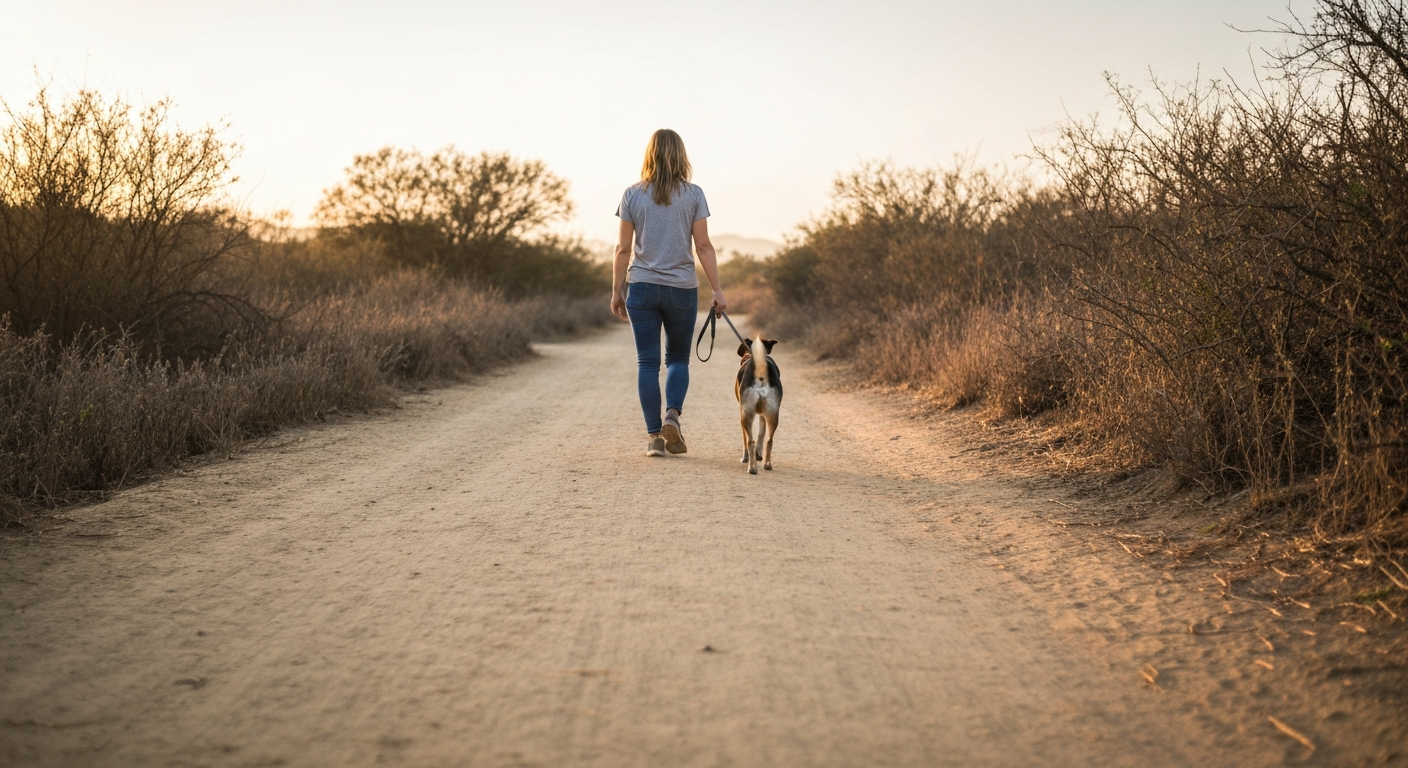
If you're traveling for Memorial Day, summer break, or any of the long weekends ahead, brief whoever is watching your dog. A few things worth flagging:
- Which yards or trails to avoid during peak rattlesnake hours
- Where the closest 24-hour emergency vet is and how to get there
- Whether your dog has had aversion training or the rattlesnake vaccine
- Specific habits to watch for — your sitter should know if your dog tends to nose into brush or chase lizards
- A leash-only rule for any walk in higher-risk zones while you're gone
Sitters who live in OC year-round usually already know about rattlesnakes — especially independent sitters in Wildomar, San Juan Capistrano, and the foothill neighborhoods of Irvine. But every dog is different, and the briefing is worth giving even to an experienced sitter. Our guide to choosing the safest dog sitter in Orange County covers what to ask about local hazards and how to make sure your dog is going somewhere familiar with the terrain.
If you live in or near Wildomar, our Wildomar dog boarding guide walks through what local pet parents should know about boarding in a city where chaparral wildlife is part of daily life. For South County families, the San Juan Capistrano dog boarding guide covers similar ground.
Frequently Asked Questions
Q: When does rattlesnake season actually start in Orange County? A: Most years, snake activity ramps up in April and peaks from May through September. Warm winters like 2026's pull the start of the season earlier — bites have already been reported across SoCal in March and April this year. Activity tapers off through October as nights cool down.
Q: How common are rattlesnake bites on dogs in Orange County? A: Common enough that every OC emergency vet sees them every spring and summer. Exact numbers aren't published locally, but veterinary professionals at the major OC emergency hospitals routinely treat multiple bite cases per week during peak season — most often involving dogs who were off-leash on a trail or in their own backyard.
Q: Should I get the rattlesnake vaccine for my dog? A: Talk to your regular vet. The vaccine is widely available in OC, but the consensus is that it's a supplement — not a replacement — for getting to an ER quickly. It may be most worth considering for dogs that hike in known habitat regularly, live next to open space, or are small enough that even a "mild" envenomation could be life-threatening.
Q: Does aversion training really work? A: Most owners who do it report a clear, lasting change in their dog's behavior around snake scent, snake sound, and snake sight. It works best as a refresher every year or two, especially if your dog regularly hikes in chaparral. Look for trainers who use ethical methods and live in or travel to Orange County.
Q: What if I'm leaving my dog with a sitter while I travel during snake season? A: Leave the closest 24-hour ER's address and phone number, your vet's contact info, written permission to authorize emergency treatment, and a clear note about whether your dog has had aversion training or the rattlesnake vaccine. Local independent sitters who live in OC tend to already know the seasonal risks, but specifics about your dog matter. A short briefing is one of the most useful things you can leave behind.
Enjoying OC Outdoors With a Dog This Spring
Rattlesnake season isn't a reason to stop enjoying Orange County's trails, canyons, and backyards with your dog. It's a reason to slow down a little, leash up where it matters, and know what to do if something goes wrong. A few minutes of preparation now is what separates a normal spring walk from a midnight ER trip.
If you're heading out of town this spring or summer and want to leave your dog with someone who lives in OC, knows the local trails, and already understands what rattlesnake season means around here, the independent sitters on our platform are based in the same neighborhoods you are — Irvine, Costa Mesa, San Juan Capistrano, and Wildomar. Many platforms make it easy to find a sitter; Ruh-Roh Retreat is a curated marketplace that makes it easier to find the right one — so you can compare experienced sitters and choose the fit for your individual dog.
Looking for a sitter who knows Orange County's outdoor terrain? Browse independent sitters in your city on Ruh-Roh Retreat.
You Might Also Like
 12 min
May 26, 2026
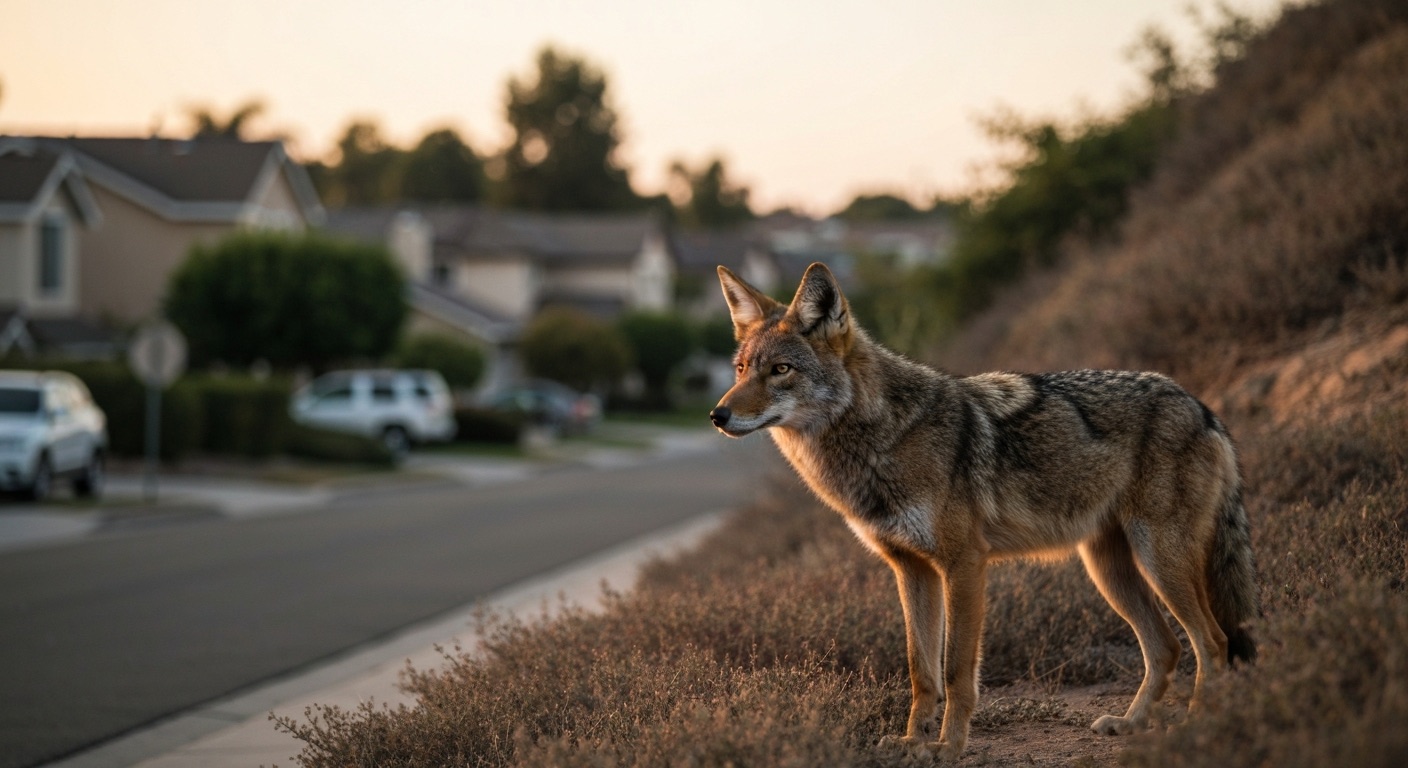
Coyote Season in Orange County: How to Keep Your Dog Safe Through Summer
Late spring through summer is peak coyote-conflict season in Orange County. Here's where coyote activity is highest in Irvine, Costa Mesa, San Juan Capistrano, and Wildomar — and what OC dog parents can do to keep dogs safe.
Read More → 8 min
8 minApr 23, 2026
Foxtail Season in Orange County: What Dog Parents Should Know This Spring
Foxtail season is starting across Orange County. Here's where the barbed seeds hide, the symptoms to watch for, and how OC dog parents can keep their pups safe this spring.
Read More → 8 min
8 minJun 30, 2026
July 4th in Orange County: Where to Board Your Dog During Fireworks Season
July 4th is the single biggest day of the year for lost pets nationwide. Here's how Orange County pet parents in Irvine, Costa Mesa, San Juan Capistrano, and Wildomar can plan dog boarding around fireworks season — plus how to keep an anxious dog safe at home.
Read More →