
Overnight Dog Sitters: What Pet Parents Should Know Before Booking
13 min read
- 1.What "Overnight Dog Sitter" Actually Means
- 2.Why Overnight Care Is Different From Daycare
- 3.What to Look for in an Overnight Dog Sitter
- 4.What a Typical Overnight Stay Actually Looks Like
- 5.Common Concerns (Honest Answers)
- 6.How to Find an Overnight Dog Sitter Worth Booking
- 7.Frequently Asked Questions
- 8.Find an Overnight Sitter Who Fits Your Dog
The phrase "dog sitters overnight" gets searched for one specific reason: someone needs to know their dog will be cared for through the night, not just during the day. That's a different question than "where can I drop my dog off for a few hours" or "what's the nearest kennel," and the answer matters more than most pet parents realize. The overnight hours are when your dog is asleep, vulnerable, and most affected by the comfort of their environment. Getting that part right is the difference between a dog who comes home settled and one who comes home stressed.
This guide covers what overnight dog sitting actually involves, the different formats it can take, what to look for before you book, and how to find a sitter who treats nighttime care as seriously as daytime activity. If you're new to the idea of overnight in-home care, the goal here is to give you enough information to evaluate a sitter without guesswork.
What "Overnight Dog Sitter" Actually Means
The term gets used loosely, which causes confusion. There are at least three different things people mean when they say "overnight dog sitter," and they're not interchangeable.
Overnight in-home boarding. Your dog stays at the sitter's home from drop-off through pick-up, including overnight. The sitter is present in the home through the night. This is the format most pet parents picture when they think of "overnight dog sitting," and it's what we'll focus on for most of this guide.
Overnight house-sitting. The sitter comes to your home and stays there with your dog. Your dog sleeps in their own bed, in their own house. The sitter handles feeding, walks, and overnight presence on-site. This works well for dogs who are deeply attached to their home environment or have specific routines that are hard to replicate elsewhere.
Drop-in overnight visits. A sitter visits your home one or more times during the evening or early morning but does not stay through the night. This is not overnight care in the way most pet parents need it — your dog is alone for most of the night. Be wary of services that market drop-ins as equivalent to overnight care; they aren't.
When you're searching for an overnight dog sitter, clarify which format you're looking at before you compare prices or evaluate sitters. The differences in care quality and price between these three options are significant.
Why Overnight Care Is Different From Daycare
A dog can do well in daycare for years and still struggle with overnight stays. The two situations make different demands on a dog, and they make different demands on the person caring for them.
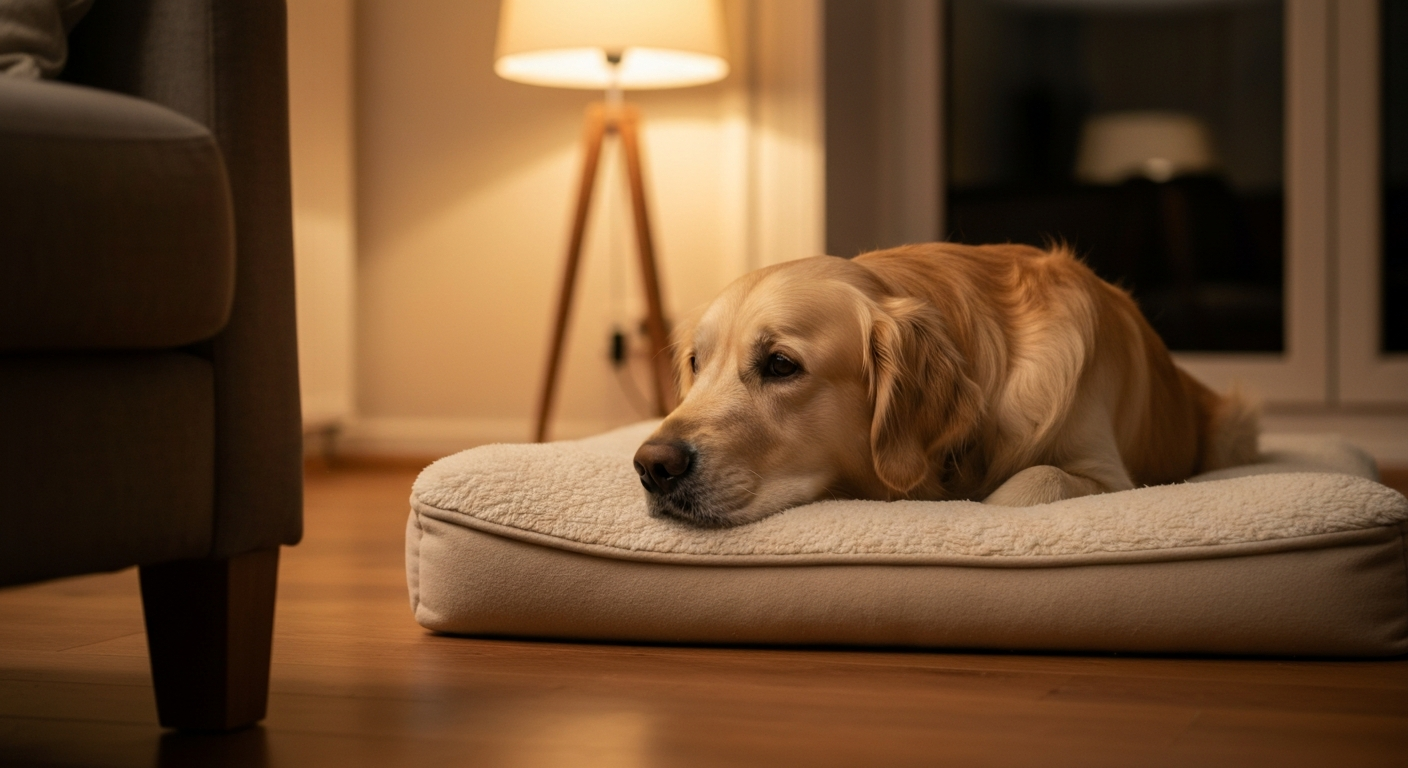
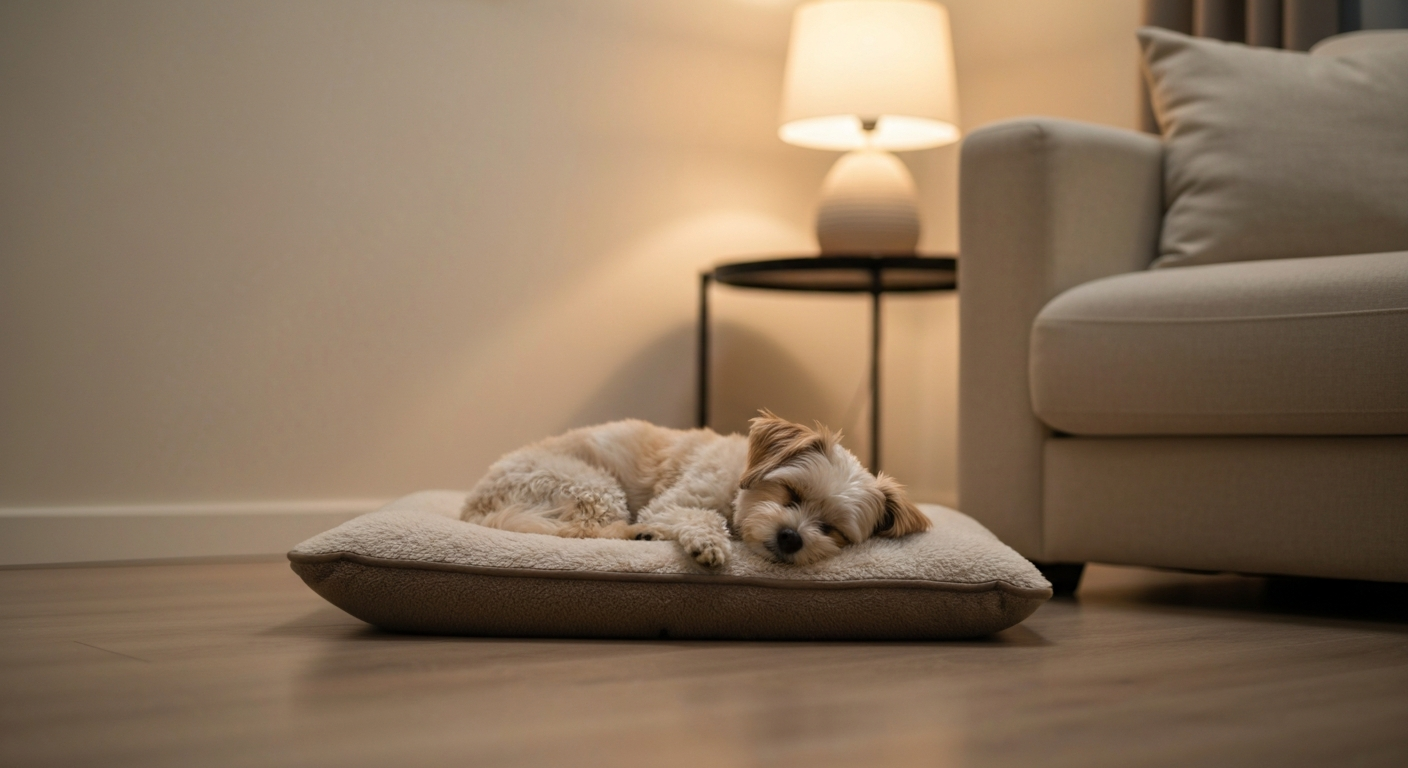
Sleep environment matters more than activity. During the day, dogs in any care setting are stimulated, walked, fed, and engaged. At night, they need calm, quiet, and a sleeping setup that resembles what they're used to. A quiet, dimly lit home can be well-suited to this — though overnight setups vary, so it's worth confirming the sleeping environment with any sitter or facility you're considering.
Separation anxiety surfaces at night. A dog who's busy during the day may not show signs of stress until things go quiet. The sitter who's present overnight is the one who notices a dog who won't settle, paces, whines, or refuses to lie down. That awareness is only possible when someone is actually there.
Medical and behavioral issues happen at unpredictable hours. GI upset, anxiety episodes, accidents, restlessness — these don't follow business hours. An overnight sitter is the person who handles them when they happen, not someone you call in the morning to report what went wrong.
Routine extends into the night. Bedtime rituals, last-walk timing, where your dog sleeps, whether they nap on the couch — these are part of your dog's normal structure. We've written about why structured care matters during boarding in detail, and the overnight portion of the routine is where it gets tested most.
What to Look for in an Overnight Dog Sitter
Not every sitter offers true overnight in-home care, and within that group, quality varies. Here's what actually matters when you're evaluating someone for an overnight stay.
A Real, Lived-In Home Environment
Ask to see the space. Photos, video tour, or — better — an in-person meet-and-greet. You're looking for:
- A dedicated, comfortable sleep setup. Where will your dog sleep? On a bed in the living room? In a crate next to the sitter's bed? On the couch? You want to know the answer before drop-off, and you want it to be something your dog will actually find comfortable.
- Secure outdoor access. A fenced yard or enclosed patio for late-night and early-morning bathroom breaks. Coyote activity in many parts of Orange County makes secure outdoor space non-negotiable.
- Climate control and quiet. Overnight is when noise and temperature matter most. A home that gets cold, loud, or bright through the night isn't a good overnight setup, even if it's fine during the day.
- Limited guest count. A smaller number of dogs in the home generally means a calmer overnight environment, so if a small-group setting matters for your dog, look for sitters who mention smaller-group overnight care in their profile. Ruh-Roh Retreat sitters generally care for smaller groups than commercial boarding facilities.
Genuine Overnight Presence
Confirm — directly — that the sitter is in the home overnight. Ask:
- "Will you be home through the night every night of the stay?"
- "Are there nights you'll be away or working a late shift?"
- "Who handles overnight emergencies if you're not available?"
This sounds basic, but some sitters take overnight bookings while planning to be away for parts of the night. That's a problem you want to surface in conversation, not discover in the morning.
Experience With Your Dog's Specific Needs
Overnight care for a calm adult dog is different from overnight care for a senior dog on medication, a puppy still in housetraining, or a reactive dog who barks at every noise. Look for sitters who can speak confidently about:
- How they handle a dog who doesn't settle at bedtime
- Their approach if your dog wakes up at 3 AM and needs out
- Medication administration if your dog needs evening or overnight doses
- What they do if a dog has a GI issue or accident overnight
- How they handle anxious dogs in a new environment — see our guide on signs of separation anxiety for context on what to watch for
The answers don't need to be polished. They need to be specific. A sitter who has handled these situations before has stories, not theories.
Communication Style That Holds Up Through the Night
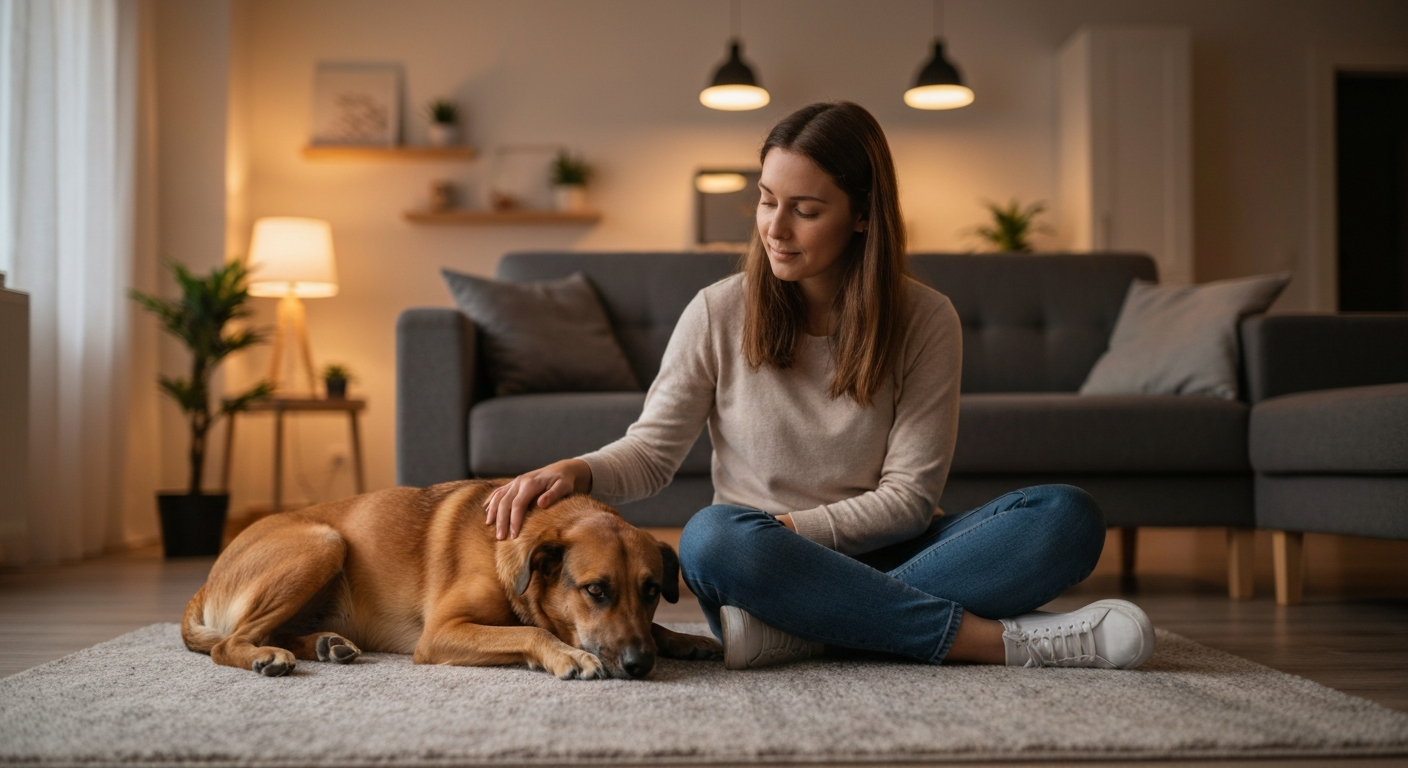
How a sitter communicates before the booking predicts how they'll communicate during it — including overnight. Pay attention to:
- Response time. Are they prompt and thorough? Or do messages sit for hours?
- Update frequency. Daily photo and video updates should be standard. For overnight stays, an evening "settled in for the night" check-in is reasonable to ask for.
- Proactive communication. A good sitter messages you when something noteworthy happens, not just when you ask.
Transparent communication isn't a nice-to-have — it's the central feature that makes overnight care feel safe from your end. If you want a deeper read on this, we covered why daily updates matter and what to expect from a sitter who takes communication seriously.
What a Typical Overnight Stay Actually Looks Like
Every dog and every sitter is different, but here's the general shape of a well-run overnight stay in an in-home setting.
Drop-off and decompression. Your dog arrives, the sitter takes time to let them explore the space at their own pace. No rushed introductions. If other dogs are present, slow, supervised meetings — not a free-for-all.
Daytime routine. Walks at the times your dog is used to. Meals using the food you brought. Structured play and rest periods. The sitter is paying attention to how your dog is settling — eating, drinking, eliminating normally — and flagging anything that seems off.
Evening wind-down. Dinner at the usual time. A final walk before bed. Lights start to dim. The sitter uses the same kind of calm bedtime cues your dog gets at home — a chew, a soft "settle," a familiar bed or crate setup. If your dog responds to brushing or massage as part of the wind-down, those techniques can help anxious dogs settle faster.
Overnight. Lights out. The sitter is in the home — usually sleeping in a nearby room or with the dog within earshot. If your dog needs to go out at 2 AM, the sitter is there. If your dog has an anxious moment, the sitter is there. The whole point of overnight care is that someone is there.
Morning. Early walk, breakfast, normal routine resumes. The sitter usually sends a morning update so you know your dog slept well.
This structure isn't hypothetical. It's what good sitters on any quality platform actually do. If a prospective sitter can't describe their overnight routine in roughly this kind of detail, that's a signal to keep looking.
Common Concerns (Honest Answers)
"What if my dog wakes up scared in a new place?"
This happens, especially on the first night. A good overnight sitter expects it and plans for it — they keep your dog's bed near them, they get up to reassure if needed, and they know that night one is usually the hardest. By night two, most dogs settle. If your dog has a history of severe nighttime anxiety, mention it up front and ask the sitter how they'd handle it specifically.
"Is overnight in-home boarding safe?"
When done right, in-home overnight care can be very safe. A smaller-group home setting and a person present through the night mean any issue can be noticed and handled quickly — the key is evaluating the specific sitter and home thoroughly before you book. Our overall guide to choosing a safe sitter is a good starting checklist.
"What if my dog needs medication overnight?"
Most experienced overnight sitters can handle scheduled medications, including ones that need to be given at specific times during the night. Confirm the sitter has done this before. Provide written instructions. Bring extra doses in case the stay extends. For dogs on critical medications, this is one of the questions to ask before you commit.
"Is overnight in-home care worth the cost?"
Overnight in-home boarding rates are set by each sitter and vary by location, length of stay, and any premium experiences. Pricing varies widely on both sides, so compare the experience rather than the sticker price: a home setting offers small-group, personalized care with someone present through the night, versus the more standardized environment of a commercial facility. Weigh which better fits your individual dog. Many pet parents find the choice easy once they've tried both.
"Can my dog stay overnight as the only guest?"
Often, yes. If solo overnight care matters for your dog — common for reactive, senior, or anxious dogs — search for sitters who explicitly mention this in their profile, or ask directly when you message them.
How to Find an Overnight Dog Sitter Worth Booking
A few approaches that consistently work better than scrolling through listings.
Platforms that emphasize sitter quality over volume. Ruh-Roh Retreat is a marketplace that connects pet parents across Orange County with independently operating sitters who provide overnight in-home boarding. Each sitter profile includes detail on their home environment, services, experience, and reviews from other pet parents — which makes it easier to evaluate someone for an overnight stay before you ever message them.
Local recommendations. Your vet, your dog's groomer, or other pet parents at the park. Pet communities in Irvine, Costa Mesa, San Juan Capistrano, and the rest of OC are tight-knit, and word-of-mouth referrals tend to be reliable.
Always meet-and-greet before booking. Any reputable overnight sitter will offer — and usually encourage — a meet-and-greet before the first stay. This lets your dog get familiar with the space and the person, and lets you confirm the home is what you expected. For overnight stays especially, don't skip it. The cost of skipping is finding out something doesn't work after drop-off.
Book with margin. Especially around major holidays and summer travel, the best overnight sitters fill up weeks ahead. If you have firm dates, book early. Last-minute overnight searches narrow your options to whoever's left.
Frequently Asked Questions
Q: How far in advance should I book an overnight dog sitter? A: For routine travel, one to two weeks ahead is usually sufficient. For peak periods — summer, Thanksgiving week, Christmas, spring break — book three to four weeks ahead, sometimes more. The most experienced overnight sitters in any city tend to fill up first.
Q: Can I bring my dog's own food, bed, and toys? A: Yes — and you should. Familiar items reduce stress, especially overnight. Most sitters encourage you to pack your dog's regular food (changing food during a stay is the most common cause of GI upset), their normal bed or blanket, and a few favorite toys. Our packing list guide covers this in more detail.
Q: What happens if there's a middle-of-the-night emergency? A: A reputable overnight sitter has a plan before your dog arrives. This usually includes a relationship with a 24-hour emergency vet clinic, your written authorization for emergency treatment, and a clear protocol for contacting you immediately. Ask about this before you book — the answer should be specific, not vague.
Q: Will the sitter actually sleep in the same room as my dog? A: It depends on the sitter and your dog's needs. Some dogs sleep in the same room as the sitter; others have their own bed in a quiet living area nearby. What matters more than the exact setup is that the sitter is in the home and reachable through the night. Confirm this directly when you book.
Q: What's the difference between overnight boarding and house-sitting? A: Overnight boarding means your dog stays at the sitter's home. House-sitting means the sitter comes to your home and stays there. Boarding is more common and usually less expensive; house-sitting works well for dogs who do best in their own environment. Both are legitimate forms of overnight care — pick the one that fits your dog.
Find an Overnight Sitter Who Fits Your Dog
The right overnight dog sitter isn't just someone with availability — it's someone whose home, schedule, and care style match what your dog actually needs through the night. The good news is that finding that fit is straightforward when you ask the right questions and take the meet-and-greet step seriously.
Ready to narrow your options? Browse sitters near you on Ruh-Roh Retreat to compare home environments, care styles, and overnight availability. If you already know your dates, you can also start a booking request and connect with a sitter who's a fit for your dog.
You Might Also Like
 8 min
8 minJul 4, 2026
How to Book a Dog Sitter Online in Orange County: A Step-by-Step Guide
Learn how to book a dog sitter online in Orange County — from comparing sitters to a meet-and-greet to confirming dates — plus the trust signals worth checking before you commit.
Read More → 10 min
Jun 23, 2026
How Much Does Dog Boarding Cost in Orange County? A 2026 Pricing Guide
Wondering about dog boarding cost in Orange County? Here's what pet parents actually pay in 2026 — in-home vs. kennel pricing, what drives the price, and how to compare rates and book the right sitter.
Read More → 11 min
Jun 6, 2026
Dog Boarding in Tustin, CA: What Pet Parents Need to Know in 2026
Looking for dog boarding in Tustin, CA? Learn why local pet parents choose in-home boarding, what to ask before you book, how pricing works, and how Tustin's proximity to Irvine widens your sitter options.
Read More →