
Foxtail Season in Orange County: What Dog Parents Should Know This Spring
8 min read

If you walk your dog anywhere in Orange County this spring, it's time to start paying attention to the grass. Foxtail season has arrived across Southern California, and Orange County's hillsides, trails, and untended lots are already starting to turn from green to gold — which is exactly when those innocent-looking seed heads become one of the most serious warm-weather hazards for dogs.
Local vets typically see the first wave of foxtail cases start in late April and peak between June and September, when the seeds dry out, harden, and fall easily into paws, ears, and noses. With OC's warm, dry spring this year, early foxtail injuries are already being reported in South County, Irvine, and the Temecula Valley foothills. Here's what every OC dog parent should know before your next walk.
What Foxtails Are and Why They're Dangerous
Foxtails are the barbed seed heads of wild grasses — most commonly wild barley, ripgut brome, and cheatgrass — that blanket Southern California's open spaces. When the grass is green and soft in February and March, they're mostly harmless. But as the seasons turn, the seeds dry into sharp, one-way arrows designed by nature to burrow into the ground.
The problem is that those same barbs latch onto fur, then work their way through skin. Once a foxtail starts migrating, it only moves one direction: deeper. Vets across California regularly pull foxtails from paws, ears, noses, eyes, gums, and — in the worst cases — lungs and abdominal cavities. Emergency foxtail removals can run into the thousands of dollars and sometimes require surgery.
That's the bad news. The good news is that foxtail injuries are largely preventable if you know what to look for.
Where OC Dogs Run Into Foxtails Most
Foxtails aren't rare or exotic. They grow everywhere open land has been left unmowed. In Orange County, the highest-risk spots tend to be:
- Hiking trails in the foothills — Crystal Cove, Laguna Coast Wilderness, Peters Canyon, Whiting Ranch, and the Santiago Oaks ridgelines all have dense foxtail growth along trail edges by late April.
- Dirt lots and shoulder strips — empty lots, dirt paths between neighborhoods, and the grassy shoulders along bike trails often go unmanaged.
- Community parks during the dry season — even well-maintained OC parks can develop foxtail patches at their edges once the city stops watering.
- Your own backyard — any unmowed corner of a yard in Irvine, Costa Mesa, San Juan Capistrano, Wildomar, or anywhere in South County can sprout foxtails. Side yards and behind sheds are common hiding spots.
If you're used to long off-leash sniff sessions through the hills, now is the season to adjust. For safer outings this spring, our guide to dog-friendly hiking spots in Irvine and Orange County covers maintained trails where you can still get a good walk without wading through dry grass.

Symptoms Every OC Dog Parent Should Watch For
Foxtails can lodge anywhere on a dog's body. The location determines the symptom. Watch for:
- Paws: Sudden limping, constant licking of one paw, or a swollen red bump between the toes.
- Ears: Violent head shaking, scratching at one ear, tilting the head to one side.
- Nose: Repeated, forceful sneezing that seems to come out of nowhere — sometimes with a little blood.
- Eyes: Squinting, watery discharge, pawing at the face.
- Mouth and throat: Gagging, coughing, drooling, or trouble swallowing after a walk.
- Skin anywhere: An unexplained abscess, scab, or weepy sore, especially in the armpits, groin, or belly.
Dogs with long, feathery coats, floppy ears, or a habit of nose-deep sniffing are the most at risk. Cocker spaniels, golden retrievers, doodles, and most herding breeds top the list — but any OC dog with a nose can get a foxtail.
If you notice any of these signs within 24 hours of a walk, call your vet right away. Foxtails don't dissolve, and waiting almost always makes the removal harder and more expensive.
Prevention Tips That Actually Work
You can't remove foxtails from Orange County. You can significantly lower the risk.
- Avoid tall, dry grass. If the grass is brown and past your dog's ankle, skip it. Stick to paved trails, well-mowed parks, and shaded neighborhood sidewalks on the hottest months.
- Check your dog after every outing. Run your hands through the coat, especially between toes, inside ears, under the collar, and along the belly. Five minutes now saves a vet trip later.
- Keep your own yard trimmed. Mow weekly during foxtail season and pay attention to fence lines, side yards, and areas around hose bibs where grass tends to go ignored.
- Groom through the season. A shorter coat in high-risk zones (paws, belly, ears) makes foxtails easier to spot and harder to hide.
- Consider protective gear for hikers. Foxtail-specific mesh hoods like the OutFox Field Guard exist for a reason. If your dog regularly runs trails, they're worth a look.
- Leave your dog with a sitter who knows the terrain. When you're traveling this summer, pair your pup with someone who understands the local outdoor risks and doesn't assume every patch of grass is safe.
For more on the day-to-day habits that keep OC dogs safe and enriched year-round, our guide to sniffari nature walks covers how to give dogs real outdoor enrichment without exposing them to needless hazards.

What to Do If You Suspect a Foxtail
Don't wait it out. Foxtails migrate quickly — sometimes within hours.
If the foxtail is clearly visible and near the surface (for example, lodged in fur near the skin), you can sometimes pull it with tweezers. But if it's already under the skin, in an ear, in a nostril, or anywhere near an eye, go straight to the vet. Emergency clinics in Irvine, Mission Viejo, and Costa Mesa are used to seeing foxtail cases this time of year and can usually handle a removal same-day.
One practical tip: take a quick photo of where your dog was walking before the symptoms started. Trail, park, friend's yard, or the dog daycare grass patch — context helps your vet move faster.
Frequently Asked Questions
Q: When does foxtail season actually start in Orange County? A: Foxtail injuries start showing up in late April as the grasses dry, and peak from June through September. By October, most of the seed heads have dropped and the immediate danger fades until next spring.
Q: Are foxtails a problem for dogs in all of Orange County, or just the hiking areas? A: All of OC. South County's open space has more of them, but foxtails grow in yards and vacant lots from Huntington Beach to Wildomar. Any unmaintained grass is fair game.
Q: Can a groomer help reduce foxtail risk? A: Yes. A shorter trim on the paws, ears, and belly during foxtail season makes inspection easier and gives seeds fewer places to hide. Many OC groomers offer a "summer cut" aimed specifically at this.
Q: My sitter walks my dog while I travel. Should I mention foxtails? A: Absolutely. If your sitter is new to the Southern California outdoor scene, a quick heads-up about avoiding dry grass and checking your dog after walks is one of the most useful briefings you can give. Local sitters who live and walk dogs in OC year-round usually already know — but it never hurts to flag it on the instructions. Our guide to choosing the safest dog sitter in Orange County covers what to ask about local terrain and seasonal risks.
Keeping OC Dogs Safe This Spring
Foxtail season isn't a reason to stop enjoying Orange County's outdoors with your dog. It's a reason to pay a little more attention. A quick post-walk coat check, a detour around the tall dry patches, and a sitter who knows the local terrain go a long way.
If you're heading out of town this spring or summer and want to leave your dog with someone who already understands OC's seasonal hazards — foxtails, heat, coyotes, and everything else — the sitters on our platform live here, walk dogs here, and tend to know which trails to avoid when the grasses turn gold. Many platforms make it easy to find a sitter; Ruh-Roh Retreat is a curated marketplace that makes it easier to find the right one — compare experienced local sitters and choose the experience that fits your individual dog.
Need a trusted sitter who knows Orange County's outdoor risks? Browse sitters in your city on Ruh-Roh Retreat.
You Might Also Like
 11 min
Apr 30, 2026
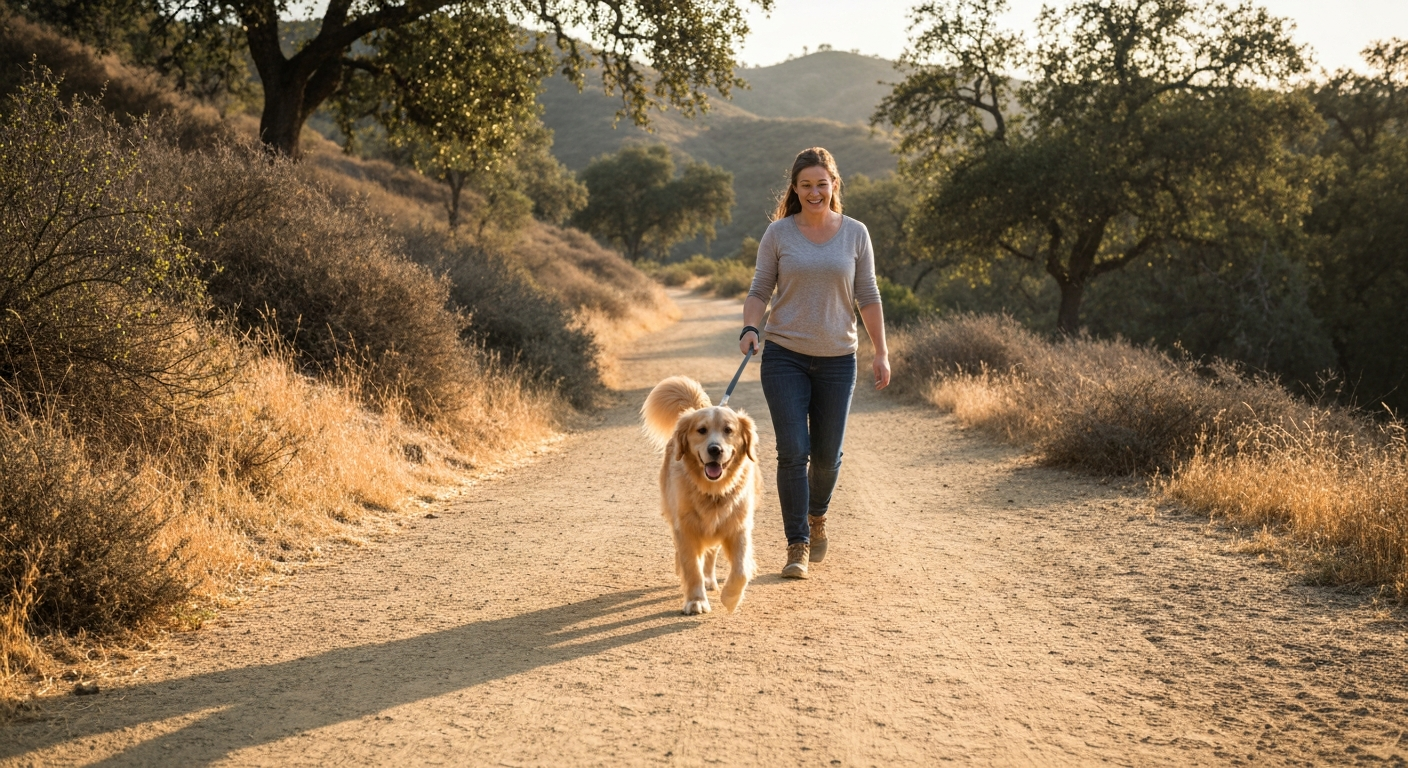
Rattlesnake Season in Orange County: How to Keep Your Dog Safe This Spring
Rattlesnake season is starting early in Orange County this year. Here's where snakes are showing up across OC, the bite signs to know, and how dog parents can keep their pups safe this spring.
Read More →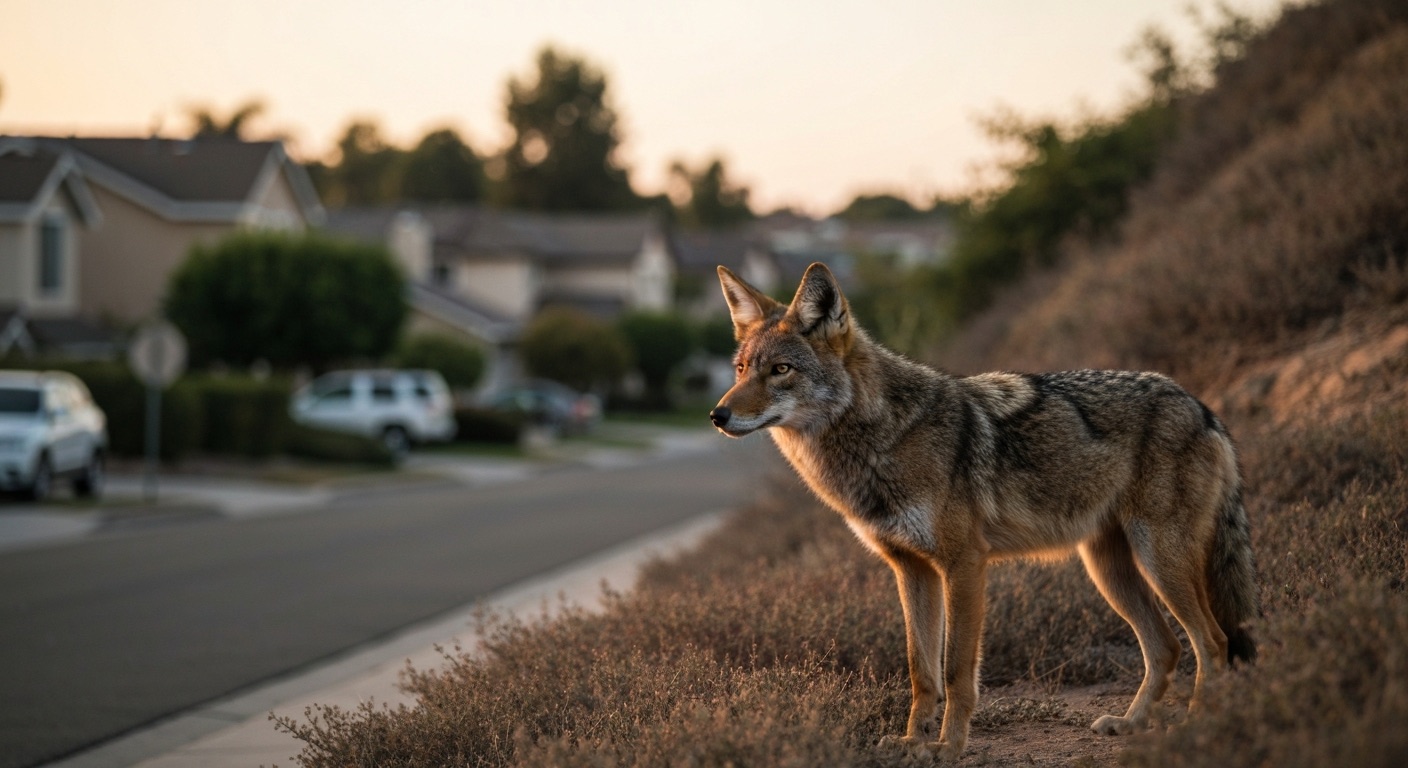 12 min
May 26, 2026
Coyote Season in Orange County: How to Keep Your Dog Safe Through Summer
Late spring through summer is peak coyote-conflict season in Orange County. Here's where coyote activity is highest in Irvine, Costa Mesa, San Juan Capistrano, and Wildomar — and what OC dog parents can do to keep dogs safe.
Read More → 8 min
8 minJun 30, 2026
July 4th in Orange County: Where to Board Your Dog During Fireworks Season
July 4th is the single biggest day of the year for lost pets nationwide. Here's how Orange County pet parents in Irvine, Costa Mesa, San Juan Capistrano, and Wildomar can plan dog boarding around fireworks season — plus how to keep an anxious dog safe at home.
Read More →